Review: 'American Made: Stories of Work from the WPA' connects U.S. readers to our working-class truth
Plus: Read a Q&A with Belt Publishing founder Anne Trubek

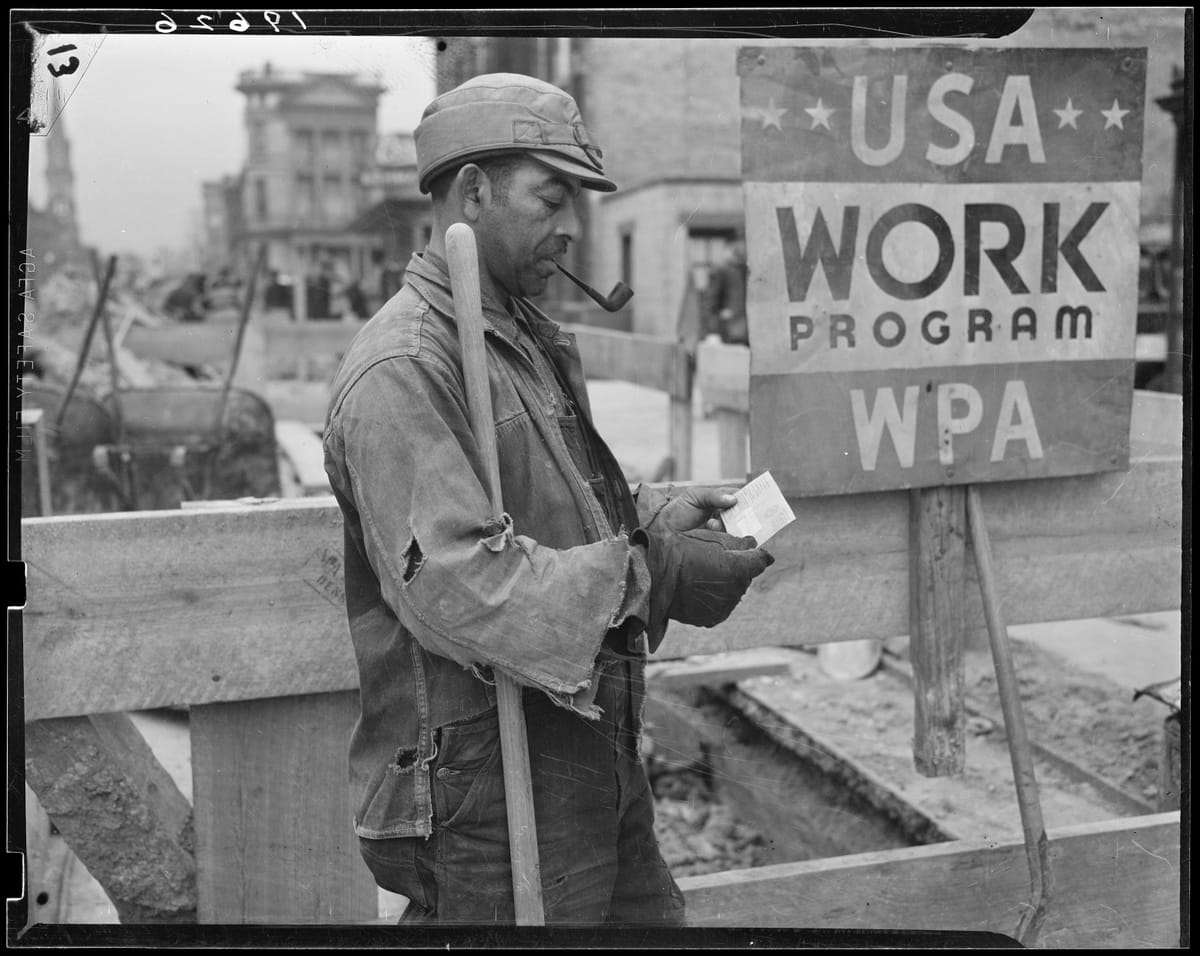
Ninety-one years ago today, on July 27, 1935, the Federal Writers' Project was born during the second wave of the New Deal, smack-dab in the middle of the worst economic crisis in the United States' 250 years of existence. U.S. President Franklin Delano Roosevelt had signed an executive order on May 6 of that year, establishing the Works Progress Administration as a national job relief agency for struggling Americans during the Great Depression. The federally funded — and always controversial — WPA kept 8.5 million people employed across eight years, including thousands of out-of-work writers.
Construction work dominated the WPA's lifespan — Pittsburghers can see still-standing WPA projects in parks like Riverview and Schenley among other New Deal-era public works. Less than 1% of the WPA's overall budget was earmarked to employ artists and white-collar workers under what was labeled Federal Project Number One. The impact of the WPA’s arts programs on 20th century U.S. culture runs deep, if not somewhat obscured from most modern eyes.
The most famous products of the FWP are the American Guide Series and its collection of slave narratives. The former includes travel guides for all 48 states at the time, while the latter features more than 2,000 interviews with formerly enslaved people across the Southern United States. In Pittsburgh, history professor Laurence A. Glasco was the first to publish an abandoned FWP manuscript from the Pennsylvania Writers' Project called "The WPA History of the Negro in Pittsburgh," which can be purchased through the University of Pittsburgh Press.
In June 1939, Ralph Ellison had lived in New York City for about three years when he conducted an interview for his FWP job with an anonymous musician on West 150th Street in Harlem. The musician spoke openly with Ellison, describing a night drumming on the bandstand when, after celebrating the $4 he'd been handed by an audience member to perform just one song — that's nearly $100 in today's money — he was swiftly brought back to Earth. Another audience member, a "poor Brooklyn motherfrigger," had made a racist remark to the banjo player on stage.
"If you monkeys don't play some music," the heckler said to the band, "I'm gonna throw you outta de jernt."
The interview paints a vivid picture of one Black man's experience trying to earn a living with the skills he had in a decade when Jim Crow raged on in the South, and Black workers faced an unemployment rate that was, at certain points, two to three times as high as that of their white counterparts. Later on, the anonymous man shares with Ellison another conversation he had with a "beer-drinking bum" who'd been watching his band play.
"Hell, that skin ain't no more good to you than mine is to me," the musician says he told this white "bum." "You cain't marry one a Du Pont's daughters, and I know dam well I cain't."
The full account of this conversation can be read in "American Made: Stories of Work from the WPA," a new curated selection of FWP interviews released July 14 by Belt Publishing. The interviews were edited by Belt founder Anne Trubek, who also wrote the book's introduction — recently posted in full for subscribers to her blog, “Notes from a Small Press.” Journalist Kim Kelly, author of "Fight Like Hell: The Untold History of American Labor," contributed a foreword to the book.
The interviews assembled in "American Made" are at times astonishing and deeply moving. Any American who has struggled to pay a utility bill, dealt with an abusive manager at work, feared the loss of a job and health care, or worried about eviction will resonate with the people whose lives are documented in this book. Their stories offer frank depictions of daily life in a time when many people had little hope for a better future for themselves and the people they loved.
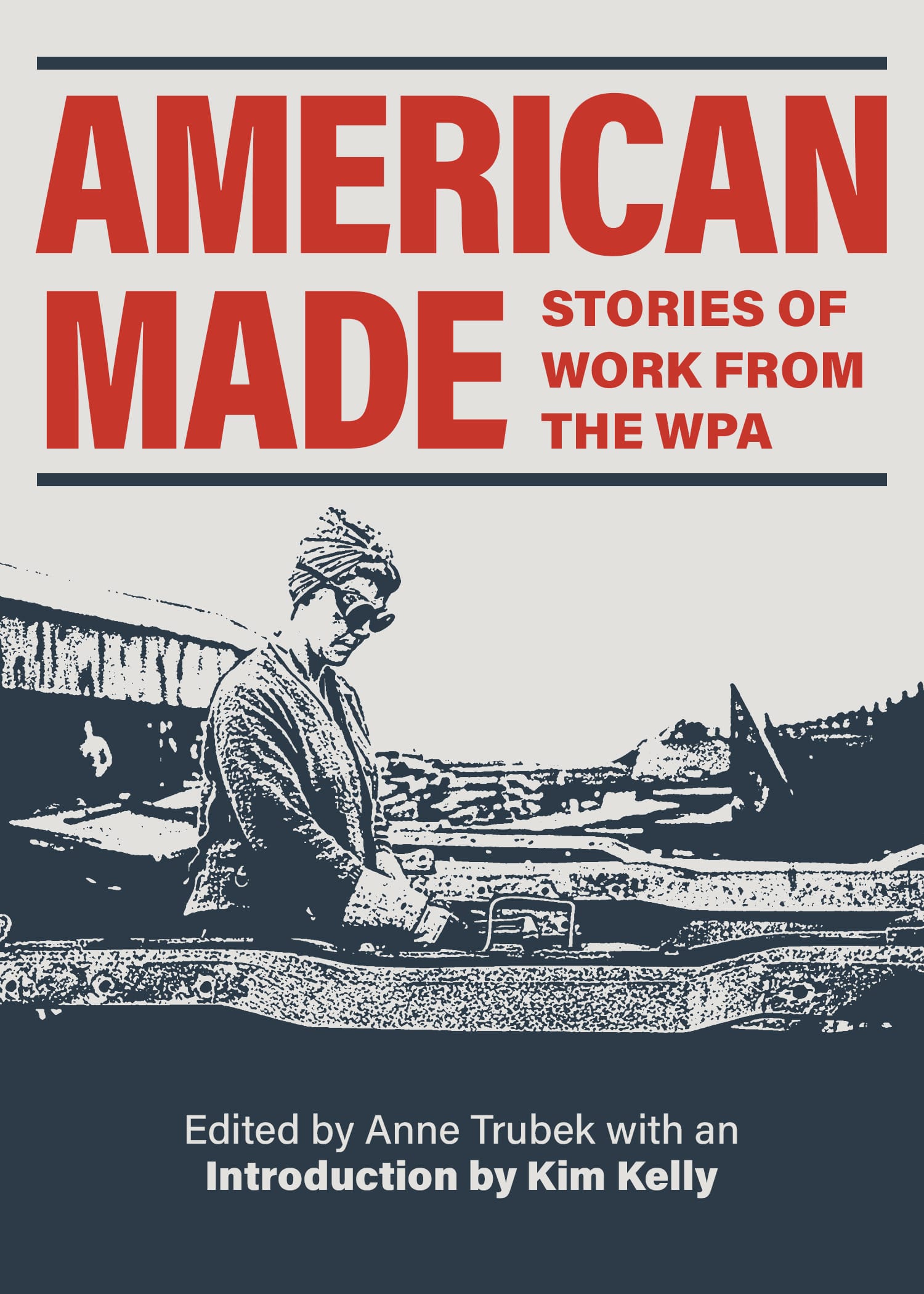
"American Made" is also smartly structured — even those of us who struggle to focus on a book in this era of digitally induced declining attention spans can find something profound in these brief literary portraits.
The personal tales make clear how different working-class lives were 90 years ago, but they also demonstrate how much has remained the same about the human spirit and the struggles we face across time. Kelly notes this herself in the book’s foreword. "These stories underline just how little people have changed on a human level," she writes. "We remain stubborn, strange, complex creatures who can hold competing opinions and surprising perspectives."
Trust built through shared experience
As Trubek writes in the introduction to "American Made," the FWP workers were often in the same dire financial straits as the people they interviewed. "Actually to be paid for writing ... Why that was a wonderful thing!" Trubek quotes Ellison as recalling about his years working for the FWP, long before he became famous.
Other FWP workers who were independently successful writers at some point in their lives included Zora Neale Hurston, Richard Wright, Saul Bellow, Studs Terkel, Margaret Walker, May Swenson, Stetson Kennedy and John Steinbeck. Hurston, it's worth noting, had a different experience from Black writers who worked out of the New York and Chicago offices — the already-prominent folklorist faced intense racism and had her work discredited within the project's Florida office; FWP projects in the South complied with Jim Crow laws, even as they also documented African American life.
Another FWP writer, Anzia Yezierska, had attained some personal wealth in the 1920s by selling her stories to filmmakers during Hollywood's silent film era before that work dried up along with her money. During the later years of the Depression, Yezierska worked for the New York City-based FWP team to support herself. The Polish-born immigrant would later describe the project's bustling offices in her own semi-fictionalized memoir, "Red Ribbon on a White Horse."
“There was a hectic camaraderie among us, though we were as ill-assorted as a crowd on a subway express, spinster poetesses, pulp specialists, youngsters ... veteran newspapermen, art-for-art’s-sake literati, clerks and typists," Yezierska wrote. "... people of all ages, all nationalities, all degrees of education, tossed together in a strange fellowship of necessity.”
"Actually to be paid for writing ... Why that was a wonderful thing!" — Ralph Ellison
Partly thanks to this shared material struggle between writers and interviewees, the FWP produced incredibly detailed portraits of the Americans whose stories were recorded. It would have been difficult for many of the Americans interviewed to speak honestly with strangers without a genuine sense of trust — another aspect of our shared human history that hasn't changed much.
Ellison was years away from winning the National Book Award for his most famous work of fiction, "Invisible Man," during the summer he was paid by the federal government to interview the nameless-to-us Harlem musician, with his withering bandstand comebacks for racist hecklers. The 1952 novel, which features an unnamed narrator, is considered a giant of American literature for its groundbreaking exploration of race and identity. Many parts of "Invisible Man" are loosely based on Ellison's own life.
The acclaimed writer and public intellectual would later write in a letter published by his literary executor and friend, John F. Callahan, that the WPA folklore projects "had turned up far more of our group's history than several generations of historians." That work largely saw Ellison interviewing Harlem residents and documenting African American folklore through their own words and personal experiences. A PBS article about Ellison's life explores his perspective on African American culture, concluding that "Invisible Man" contains "Ellison's expression of embracing one's culture as the way to freedom."
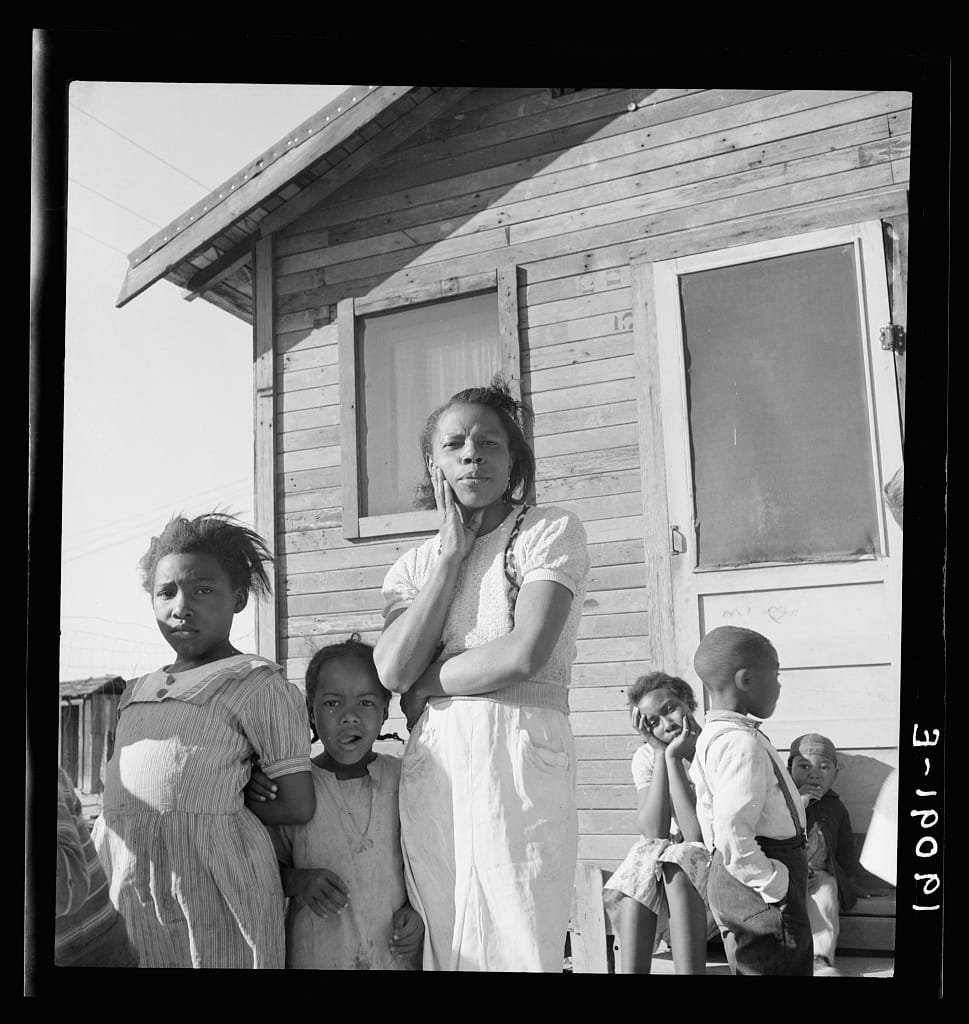
Trubek writes that the FWP's folk ethos in this period can be credited to national folklore editor Benjamin Botkin, who then controversially believed that his field should expand beyond oral myths and fairy tales to modern folk reality, including the minutia of daily life as a working-class resident of the United States during the Great Depression. Botkin, who had taken the job with a different perspective after famed folklorist John A. Lomax's tenure ended, had little patience for what he called "ivory-tower writing," Trubek writes.
"American Made" readers are likely to be surprised by what they get out of these interviews. I was most moved by the people who recalled their methods of survival and connection in jobs without union protections, having experienced the stark difference myself. Visible at the core of this collection is the importance of building relationships, trust and shared responsibility with the people in our communities who might experience life differently than we do.
In one interview, a Jewish peddler named Hyman Bernstein describes walking across multiple states in the Midwest with his pack, stopping at the widely scattered farms to sell his wares before rural mail delivery existed. While the farmers' wives always fed him well, he never broke his kosher diet to eat the meat they offered him. And because he and the Christian farmers had differing ideas of the Sabbath on weekends, Bernstein got extra benefits from the arrangements: "You see, I had a five-day work week long before the unions," he told the FWP interviewer.
This theme of personal connection and mutual respect across differences runs throughout "American Made," even through clear tensions between Americans Black and white or indigenous and settler. In her foreword, Kelly highlights the union-based relationship building across racial lines as explained by a Black man named Jim Cole, who worked as a butcher in Chicago and was active in his industrial union when he was interviewed by FWP writer Betty Burke in May 1939.
In that interview, Cole told Burke that years before he'd been rejected for union membership in the American Federation of Labor and knew it was because of his skin color. By 1937, the Congress of Industrial Organizations came knocking, and things changed for the better, Cole said — but not without plenty of attempted meddling from their bosses, who tried to weaponize the differences among the butchers to prevent unionization. The two labor unions wouldn't merge to become the AFL-CIO until 1955.
Burke's interviews with people working grueling, gruesome jobs in Chicago's meatpacking industry are highlighted by Trubek and Kelly at the start of "American Made" as especially strong examples of the power of these stories. In the book's foreword, Kelly quotes Burke, who would later speak earnestly about her FWP experience: "We were poor ourselves and these people were, if anything, even poorer," Burke said. "So I was very close to them. I understood every word they said with all my heart."
Where's Pennsylvania? A Library of Congress mystery
Trubek chose to reprint one of Burke's typewritten conversations in the back pages of the book, along with Ellison's FWP documentation from one of his Harlem street interviews. The rest of "American Made" contains interviews that have been transcribed from digitized original documents, publicly accessible to anyone through the U.S. Library of Congress website.
Trubek writes that outside of a 1980 book by Ann Banks, "First-Person America," which features 80 of these personal oral histories in the FWP collection, the vast majority of the source material she explored has remained unpublished. Nearly 3,000 of these interviewees, whose stories Trubek plumbed in spring 2025, have documents categorized in the American Life Histories collection at the Library of Congress. An additional several thousand interviews in that collection remain only accessible through the library's physical archives.
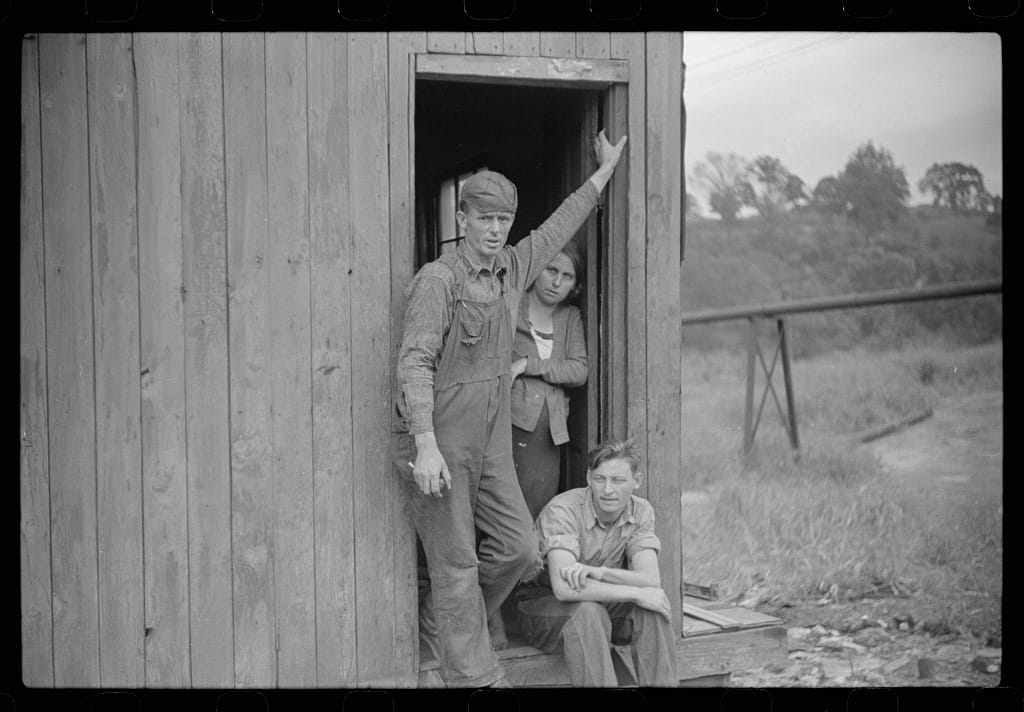
Surprisingly, none of the digitized American Life Histories documents contain interviews with Pennsylvania residents. I asked Trubek about this, wondering why none of these interviewed workers — many of whom spoke to FWP writers in their own union halls — seem to have been located in Western Pennsylvania. Pittsburgh, after all, is well-known for its role in the start of the U.S. labor movement.
Trubek, a Wisconsin native who taught at Oberlin College and once called Cleveland home, now lives in the Steel City. She told me she wasn't sure why Pennsylvania was missing from this specific FWP collection, but that Pittsburgh natives with multi-generational roots here will likely recognize their own family's experiences reflected in "American Made," even if the locations differ.
I called the Library of Congress myself with the question about Pennsylvania's lack of entries in the American Life Histories collection, and two friendly librarians helped me understand more about how these WPA collections are sorted. (Anyone with a phone or internet access can do this, by the way.)
One of those librarians, who answered the line for the Manuscript Division, confirmed he couldn't see any Pennsylvania-based online records in the American Life Histories collection. He also told me there are none to be found in its physical archives that haven't been digitized. WPA records are scattered around the country, that librarian said — some in other national archives, others across various state collections and universities. Tracking them down can be a journey.
According to the Library of Congress website, the remaining records that may be digitized in the future "may be found in the Social-Ethnic portion of the WPA collection."
That's not to say Pennsylvania's FWP operation did nothing notable during this period outside of the Glasco-published Pittsburgh book and the American Guide Series contributions. According to a 1985 interview with Jerre Mangione, the FWP's national coordinating editor from 1937 to 1939, the Pennsylvania unit was productive. Mangione, however, was critical of the quality of the Pennsylvania unit's work. He told a reporter from The Morning Call that he considered only one of the Pennsylvania writers to be truly worthy of praise — Samuel Putnam, who worked out of the Philadelphia office.
It's worth noting that in 1939, the director of the Pennsylvania Writers' Project, Paul Comly French, was fired after a turmoil-filled tenure. While he'd later become known for his anti-war activism and support of conscientious objectors, in the 1930s he was a Philadelphia newspaperman who, Mangione said, largely hoped to employ out-of-work journalists through the FWP.
French had also testified to a Congressional committee in 1934, as did Marine Gen. Smedley Butler, that Wall Street broker Gerald C. MacGuire had pitched to French his plan for a fascist coup of the Roosevelt administration to stamp out any hint of communism in the U.S. government, with Butler as the visible leader of the takeover.
According to Mangione's interview with The Morning Call, French faced conflict at every turn during his time as PWP director. He frequently sparred with the project's national leaders in Washington, disliking their directives and oversight, and was alleged to have used "Machiavellian" tactics to keep control of the unit, much to the chagrin of both the "radical" Writers Union and the "conservative" Newspaper Guild members who worked for him directly.
While I haven't yet dug further into this specific mystery, knowing an answer might only be found through dozens of phone calls and traveling to search through boxes of material, I was intrigued when the librarian told me there's been a renewed flurry of attention on the FWP collections at the Library of Congress. I suppose many of us are searching for more truth these days.
Myth-busting the 'good old days'
"American Made," Trubek makes clear in the book and in my own interview with her, was crafted in response to the current conditions of our country. Today, as it has been for decades in the U.S., much is parroted about our need to return to the so-called days of yore, when factory jobs dominated our workforce and before the collapse of the industries that helped build cities like Pittsburgh. Few people who insist we'd all be better off if these jobs returned seem to acknowledge the lived reality, difficulty and danger of the work, which Trubek masterfully highlights in her assembly of this collection.
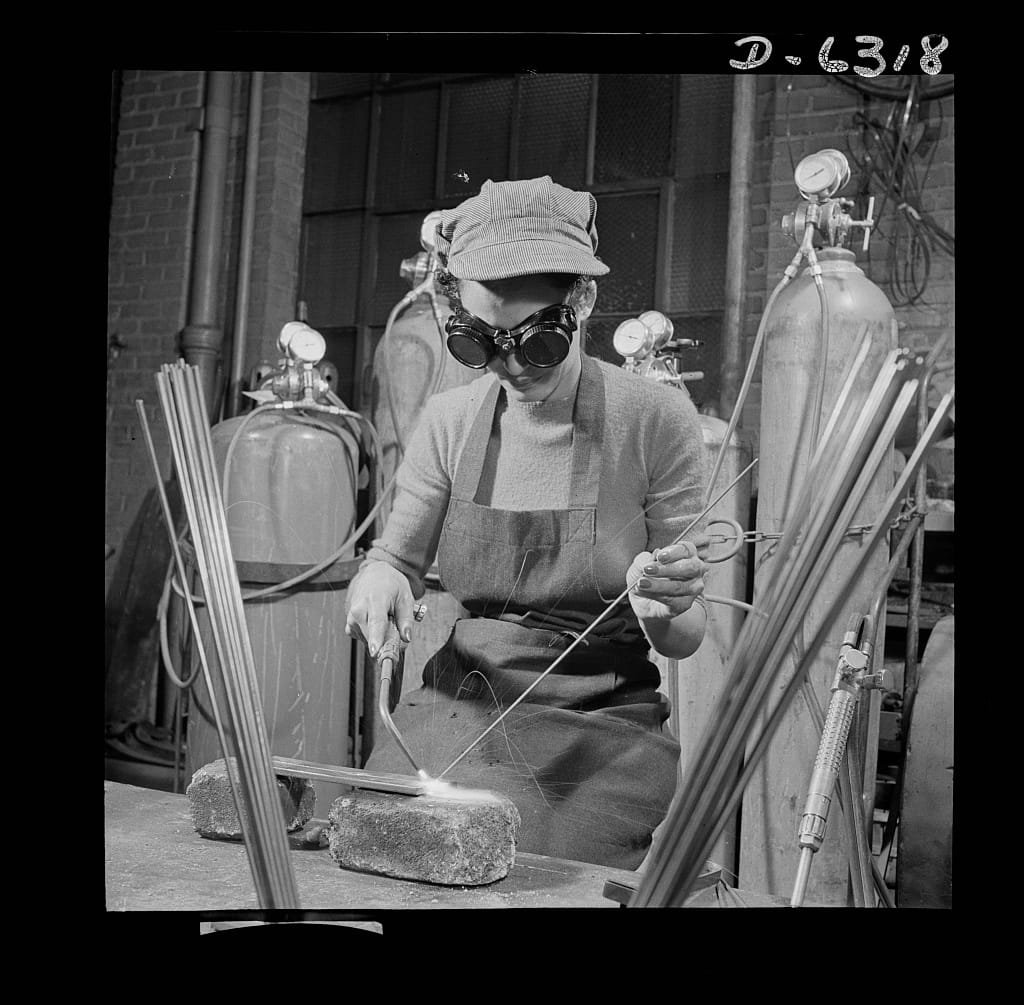
Many of the FWP writers' personal experiences emphasize this false nostalgia from another vantage point. Even before our current age of generative AI and declining literacy, it wasn't easy to make a living as an artist in the United States. In addition to financial instability, the people we might now call creative workers have long faced increased periods of suppression and been accused of harboring dangerously radical views in their writing, music, visual art or performances.
Ellison’s life and the events he witnessed comprise a well-documented example of this. In 1938, when Ellison joined the FWP, he was a young Black man, born in Oklahoma, who had moved to New York City from Alabama. The cross-country move was supposed to be temporary, a way to earn tuition money — Ellison had meant to return to his senior year at the Tuskegee Institute, a historically Black college (now university) where he studied music and read voraciously. He never went back to finish his degree.
Harlem's famed cultural renaissance had passed its heyday by the time Ellison arrived, but the neighborhood was still considered the epicenter of African American cultural life. Upon his 1936 New York arrival, Ellison quickly met and befriended Harlem Renaissance poet Langston Hughes, who would introduce him to fellow African American writer Richard Wright. By 1937, when Wright and Ellison met in a Harlem newspaper office, Wright had worked for two different WPA cultural projects in two years: the FWP and the Federal Theatre Project, both in Chicago, before moving to New York. In 1938, Wright helped Ellison secure a position with the FWP.
Ellison started his FWP work in the same year Germany’s Nazi regime orchestrated the antisemitic Kristallnacht pogrom across the Atlantic Ocean, and the year before Nazis held a rally at Madison Square Garden. Also in 1938, the Dies Committee — which would develop into the House Un-American Activities Committee or HUAC — formed and began investigating the allegedly radical projects within the WPA, including the FWP and FTP. Congress eventually killed the latter project in 1939 and cut the FWP's federal funding, forcing individual states to shore up cash for its continuation. Those moves were tied to the 1939 Emergency Relief Appropriation Act, which also barred WPA workers from being members of organizations that, according to the act’s language, advocated for the overthrow of the U.S. government — widely seen as an attempt to weed out any political radicals.
By this point, Wright had left the FWP; he'd won a Guggenheim Fellowship that allowed him to finish his own great work, "Native Son." Ellison wouldn't leave the program until 1942, the year before it was fully disbanded. Wright had been a card-carrying member of the Communist Party since the early 1930s and, upon meeting Ellison, brought him into the prominent literary left circles at the time. Wright would go on to publicly split from the party in a 1944 essay. Ellison quietly broke his own associations in 1945 — whether he was ever officially a member is still contested. Ellison would later fictionalize his experiences in Communist Party circles through the "Brotherhood" depicted in "Invisible Man." Wright was embraced by French intellectual circles and chose to expatriate himself to Paris until his death in 1960.
"American Made" features stories of working people — both interviewers and interviewees — who survived difficult, chaotic times through the relationships they built with others in the real, tangible world. Those everyday human interactions have always created the glue that keeps a society together. Ellison may have never met Wright, who got him the FWP job, if he hadn't first met Hughes in the lobby of the Harlem YMCA where he'd rented a room in July 1936. The Great Chicago Fire of 1871 turned out to be a career catalyst for the Russian-born Jewish farmland peddler with the department store on his back; he'd gone there from New York after realizing his family in Illinois might be able to help him out. I may have waited years longer to read "Invisible Man" if I hadn't walked into a small, curated Pittsburgh bookshop several years ago, picked up a copy on display, and received a glowing recommendation from the worker who sold it to me. That bookseller told me Ellison’s novel was one of their favorites, and they thought every American should read it.
Along with the working writers' own accounts, the personal interviews collected in "American Made" reminded me of some things I understand to be true: We cannot force anyone to think the way we think; we often have more choice than we realize in what we take from difficult or humbling experiences in life; and the only constant in our world, outside of what we can keep steady within ourselves, is change.
In "American Made," Bernstein, the Jewish peddler, speaks honestly in his FWP interview about the difficulty of his 50 years working as a traveling salesman. He said he made the best of what he could do during a time when salesmen like him "made Marshall Field rich." The job took him away from important family milestones, he explains, but it also kept his wife and children fed and housed and made him "many friends."
"The country peddler was put out of business by the mail order house," Bernstein told the interviewer. "The mail order house is being put out of business by the automobile. And that's the way it goes."
"American Made: Stories of Work from the WPA"
Edited by Anne Trubek with a foreword by Kim Kelly
176 pages, $18
Purchase directly through Arcadia Publishing
This article originally published on July 27, 2026, at 8 a.m. EDT.