Above Pittsburgh traffic, demonstrators find purpose, solidarity and a way to be seen
Banners and signs display messages about democracy, immigration and government accountability.

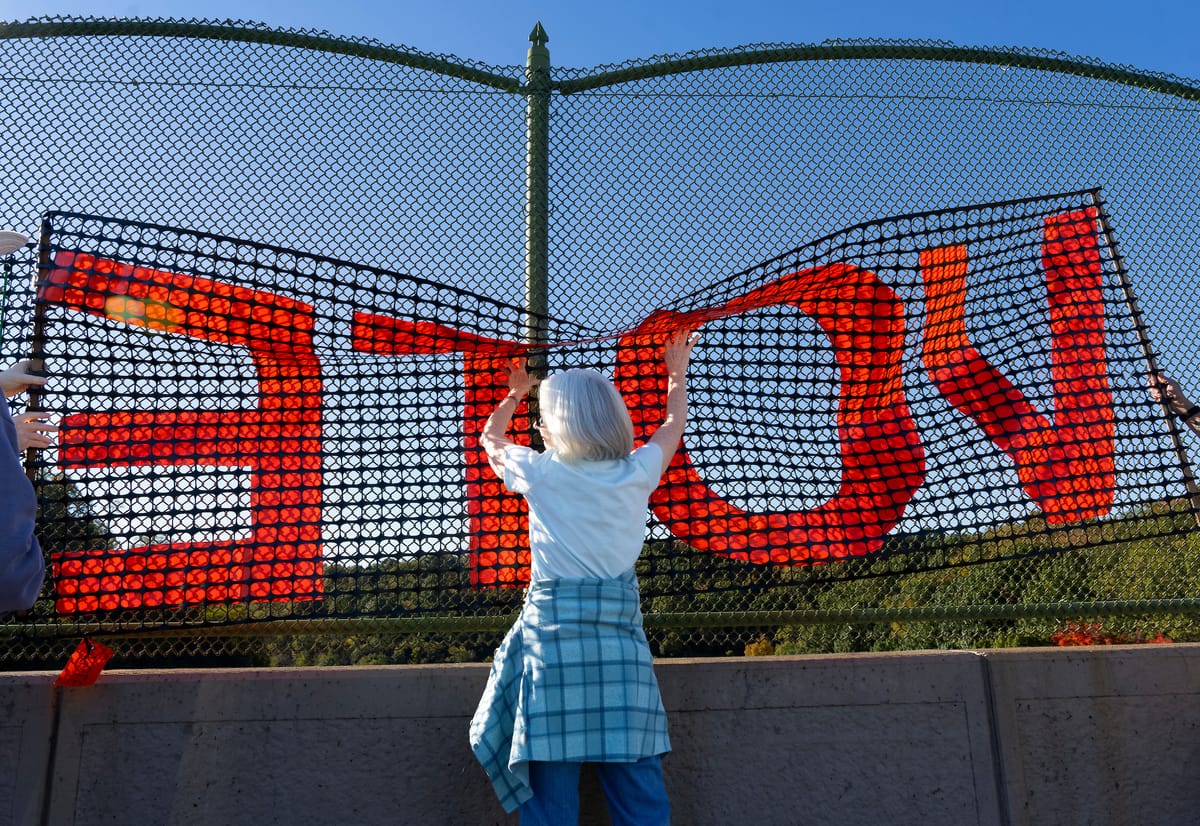
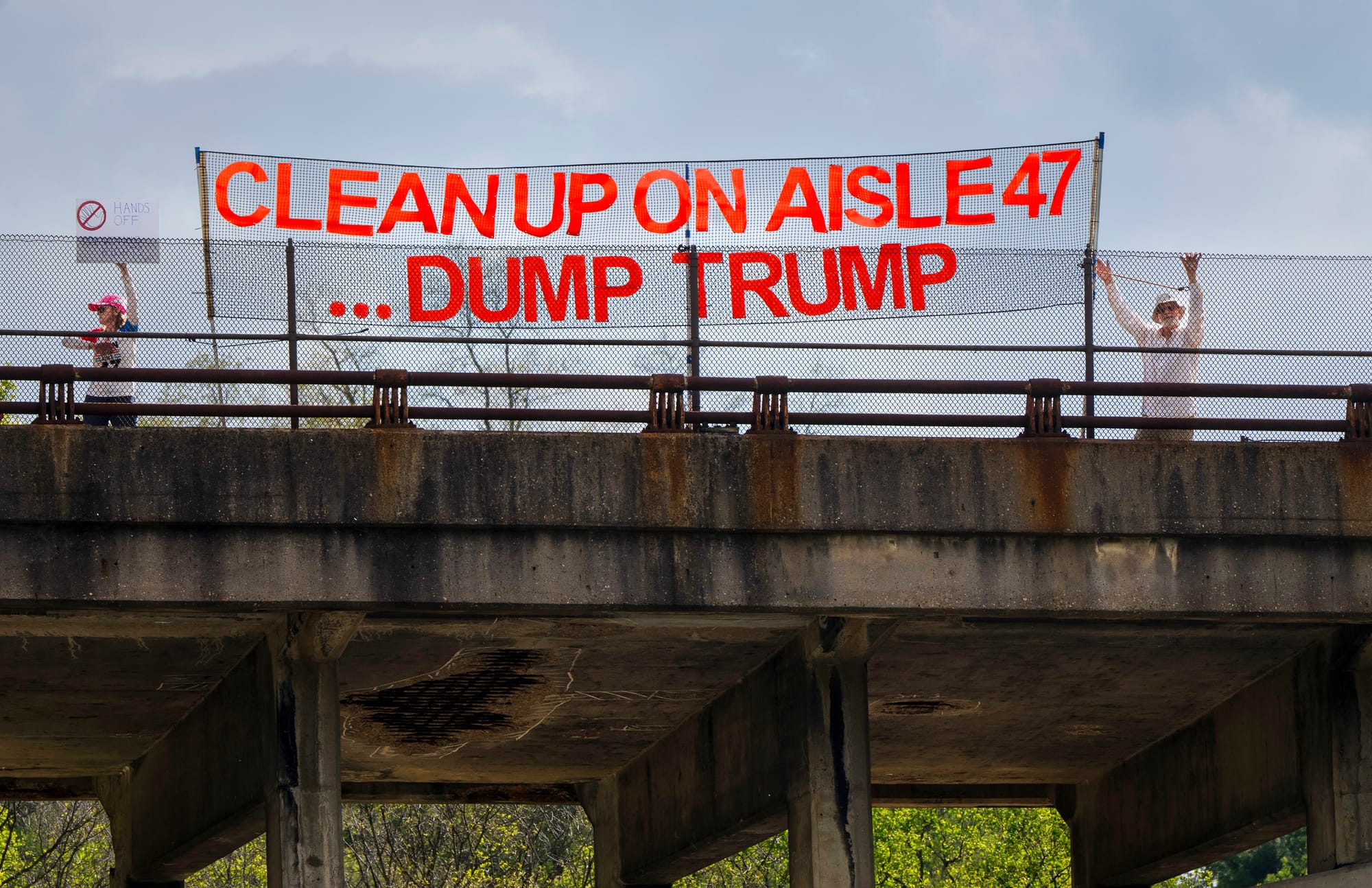
They stand on bridges and overpasses weekly. They hold banners, signs and flags, messages meant for strangers driving along Pittsburgh-area roadways.
They know most drivers will see them for only a few seconds. Some will smile and honk. Some will smile and wave. Some will look away. Some may shout back using not-so-kind words.
Still, the sign holders return every week.
They keep coming back because standing together makes them feel less alone. Because neighbors stop them at the grocery store and express that they are grateful someone is showing up. Because a banner held above a busy roadway can reach thousands of people who may never attend a rally. And, because, for the people holding those signs, being physically present feels more empowering than expressing an opinion on social media.
“It’s like going to a protest every week because you realize you’re not the only one,” explained Peggy Jordan, a Greenfield resident. “You get emboldened to keep trying, keep doing more stuff, to not give up. And it’s just fun.”
The Pittsburgh Overpass Project, or POP, is affiliated with Indivisible Pittsburgh, which is part of a national grassroots network with core goals of protecting democratic norms and voting rights.
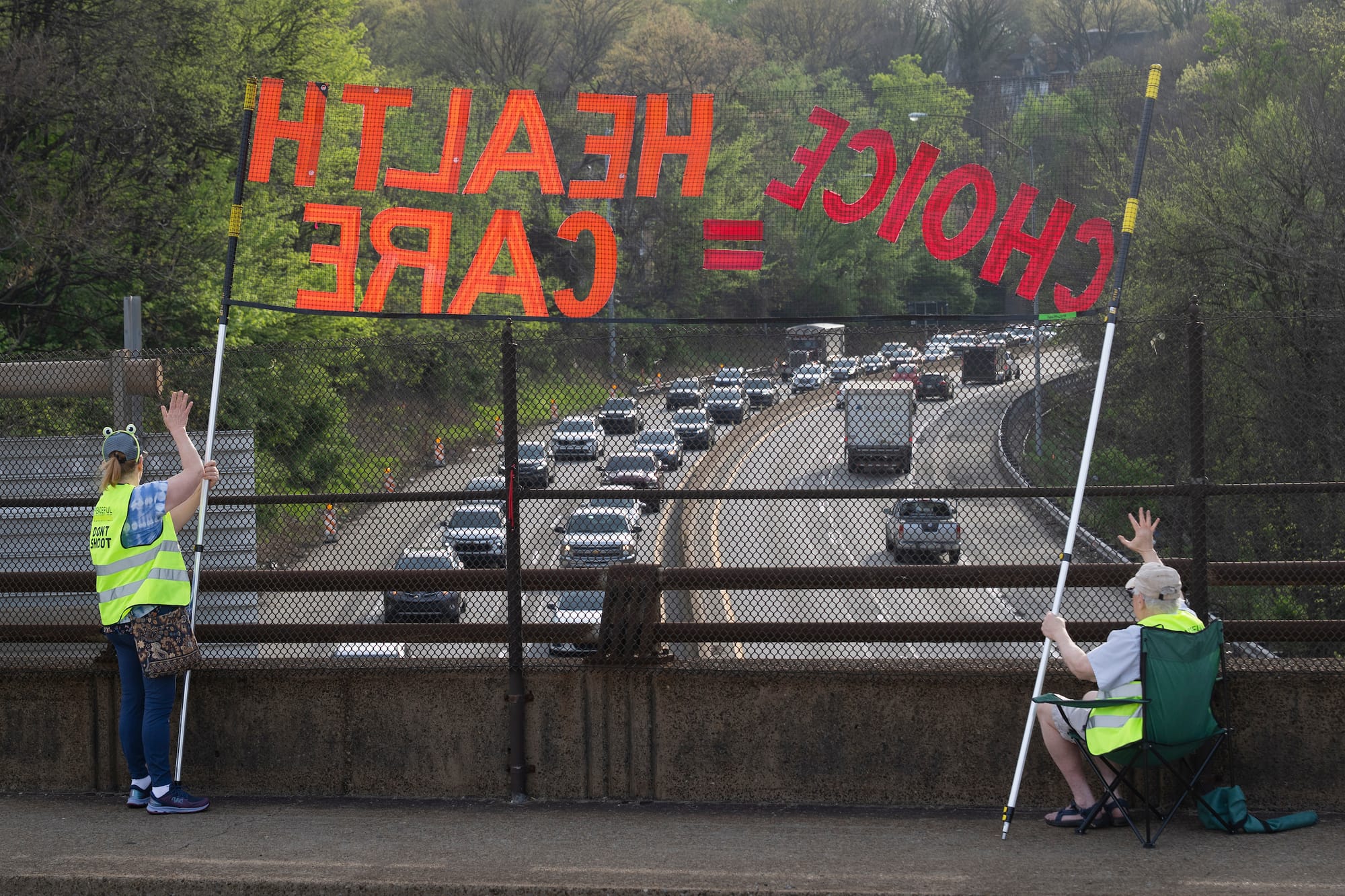
During morning and evening commutes, Pittsburgh-area drivers may see groups of people standing along bridges and overpasses holding large banners and smaller signs broadcasting messages about democracy, immigration and government accountability.
According to its mission statement, POP is “an intergenerational, nonpartisan and gender diverse coalition of open-minded teams” that “decide on individualized, high impact issue-based slogans to promote awareness of the authoritarian takeover of our government.” The groups gather at nine locations, including the North Side, Greenfield, Regent Square, Edgewood and the Pleasant Hills Route 51 cloverleaf intersection. Some have catchy names like the "Greentree Warriors," "Undaunted" and "Good Trouble."
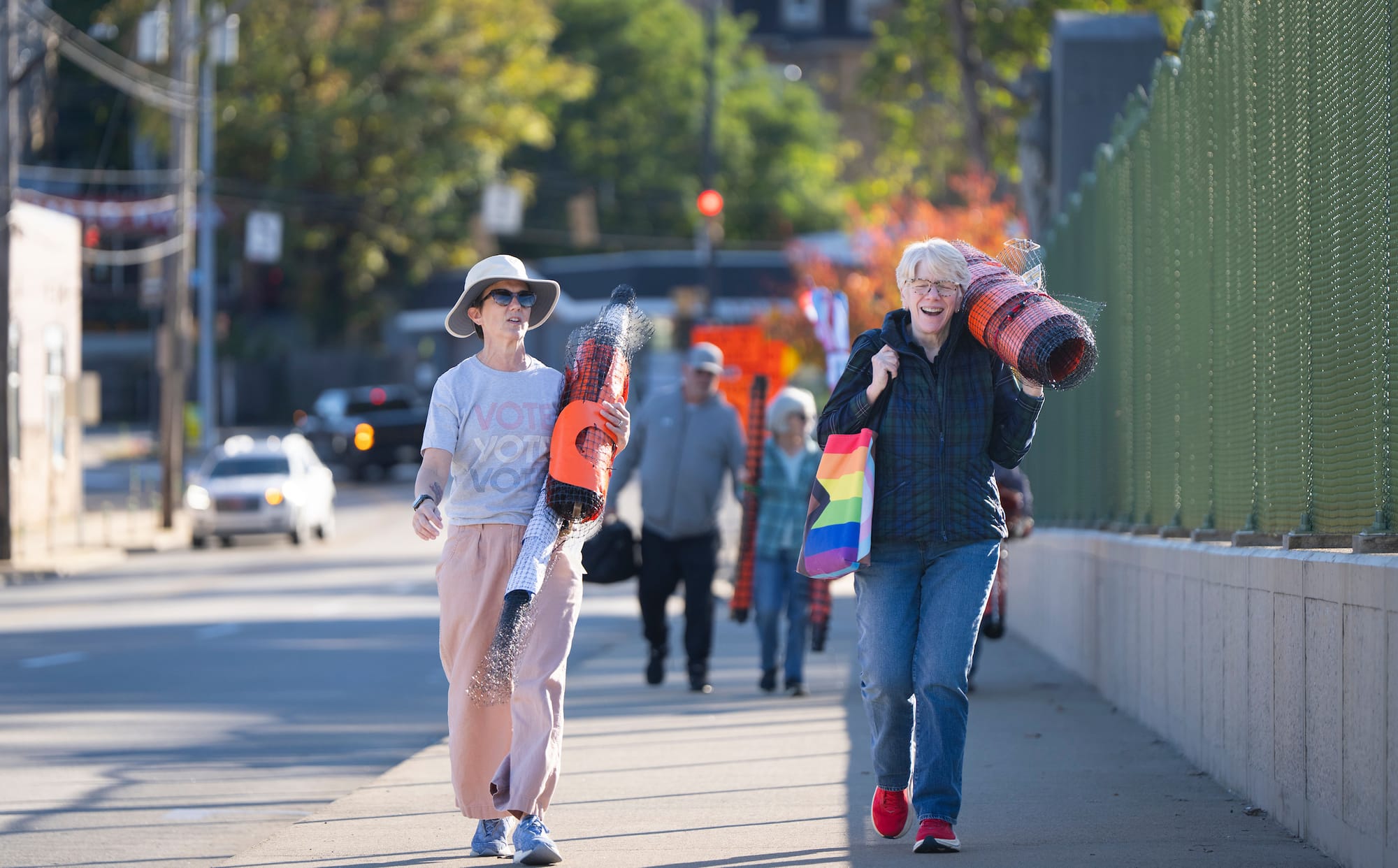
Brad Ankney, a retired math and computer science teacher who lives in the Marshall-Shadeland section of the North Side, said the first overpass demonstration started on June 3, 2025. A group answered a call he posted on social media. He was “fed up” with the direction of national politics and wanted to do something about it.
“Twelve people showed up,” Ankney said. “And those people didn’t know each other. They were people from all over.”
They gathered at the Woods Run Library on the North Side. That first banner read, “No Kings — Danger Ahead.”
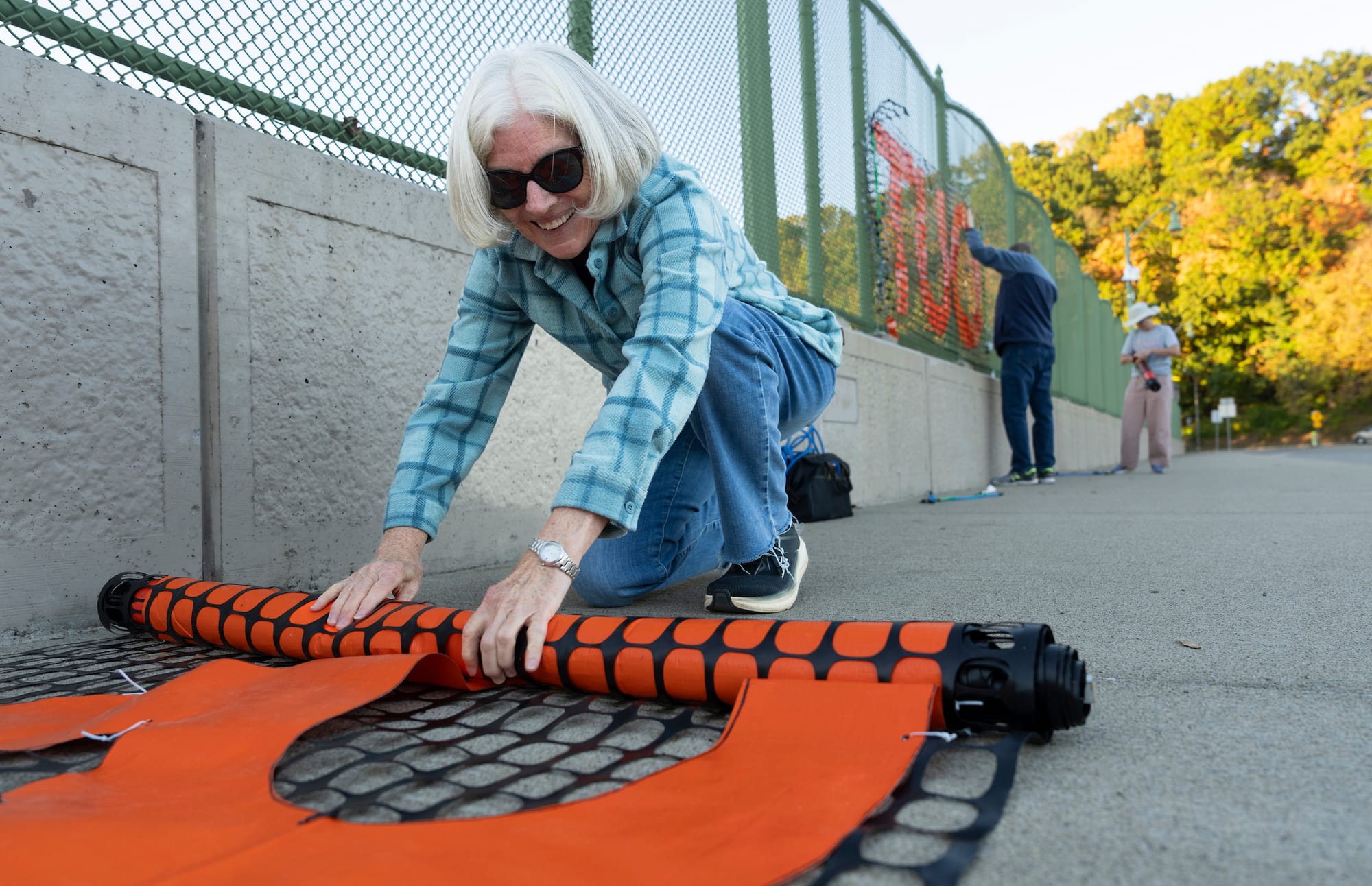
One of those people was Greenfield resident Joan Bondira.
“With just a handful of people, you can get out there and do a banner and reach many people,” Bondira said. “You could scream into the void on social media, or you could do this.
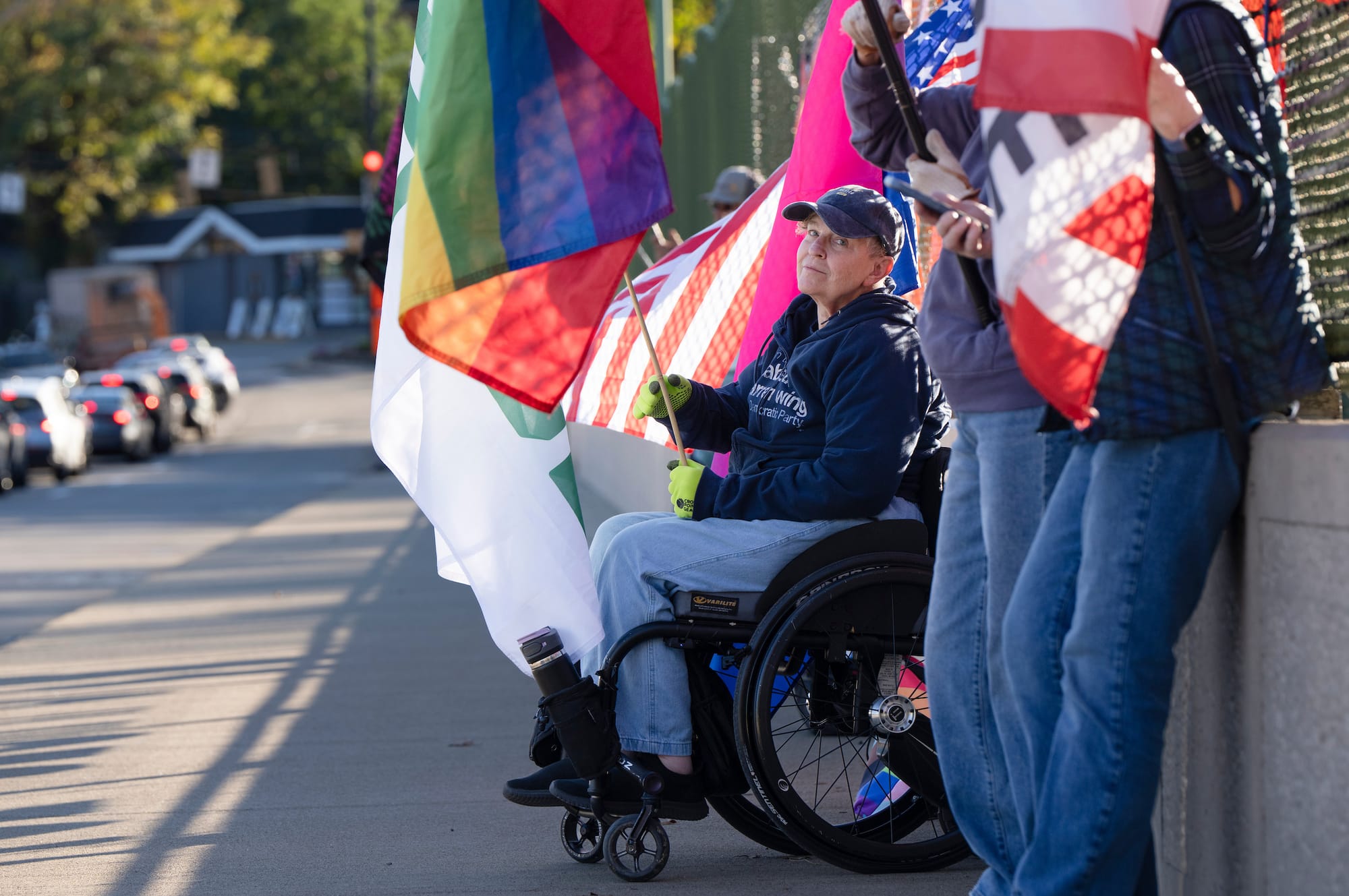
"It’s a little harder than social media, but it’s not that hard. I mean, I can get out there and do it,” she said, motioning toward her wheelchair.
The group has since expanded its collection of banners and developed a network of team leaders who coordinate demonstrations at different locations. The work is intentionally decentralized, Ankney said, with people showing up when they can and local groups managing their own activities.
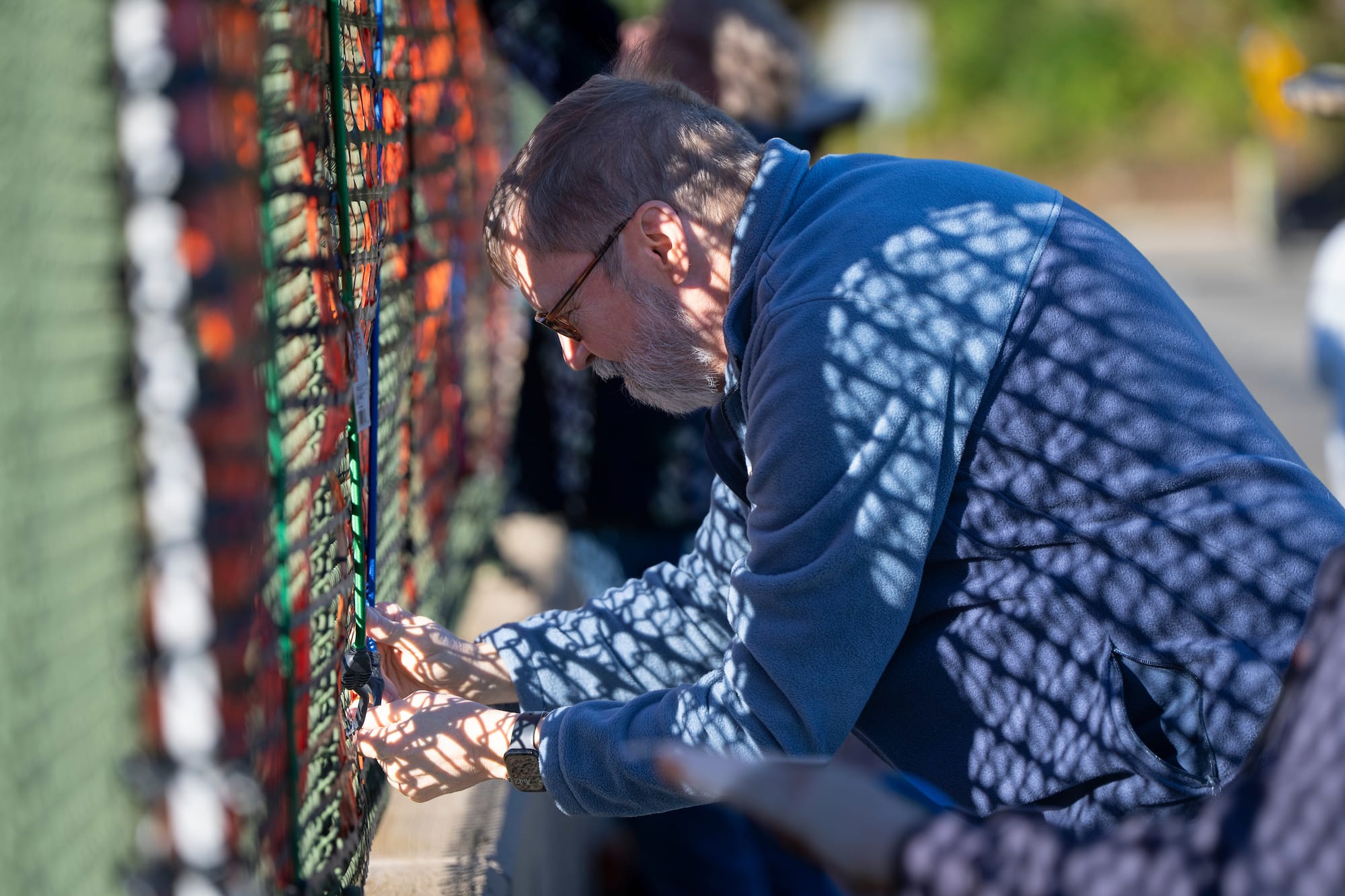
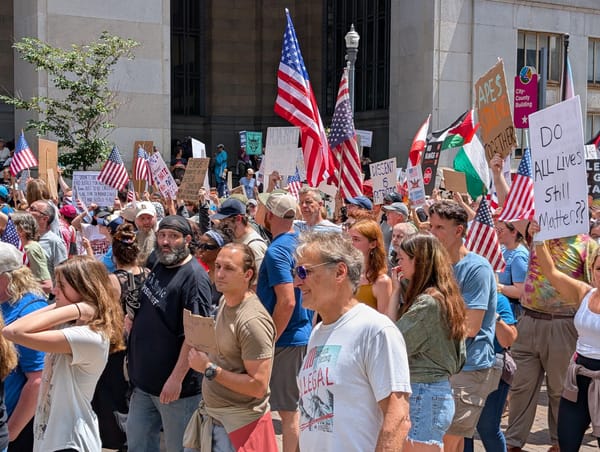
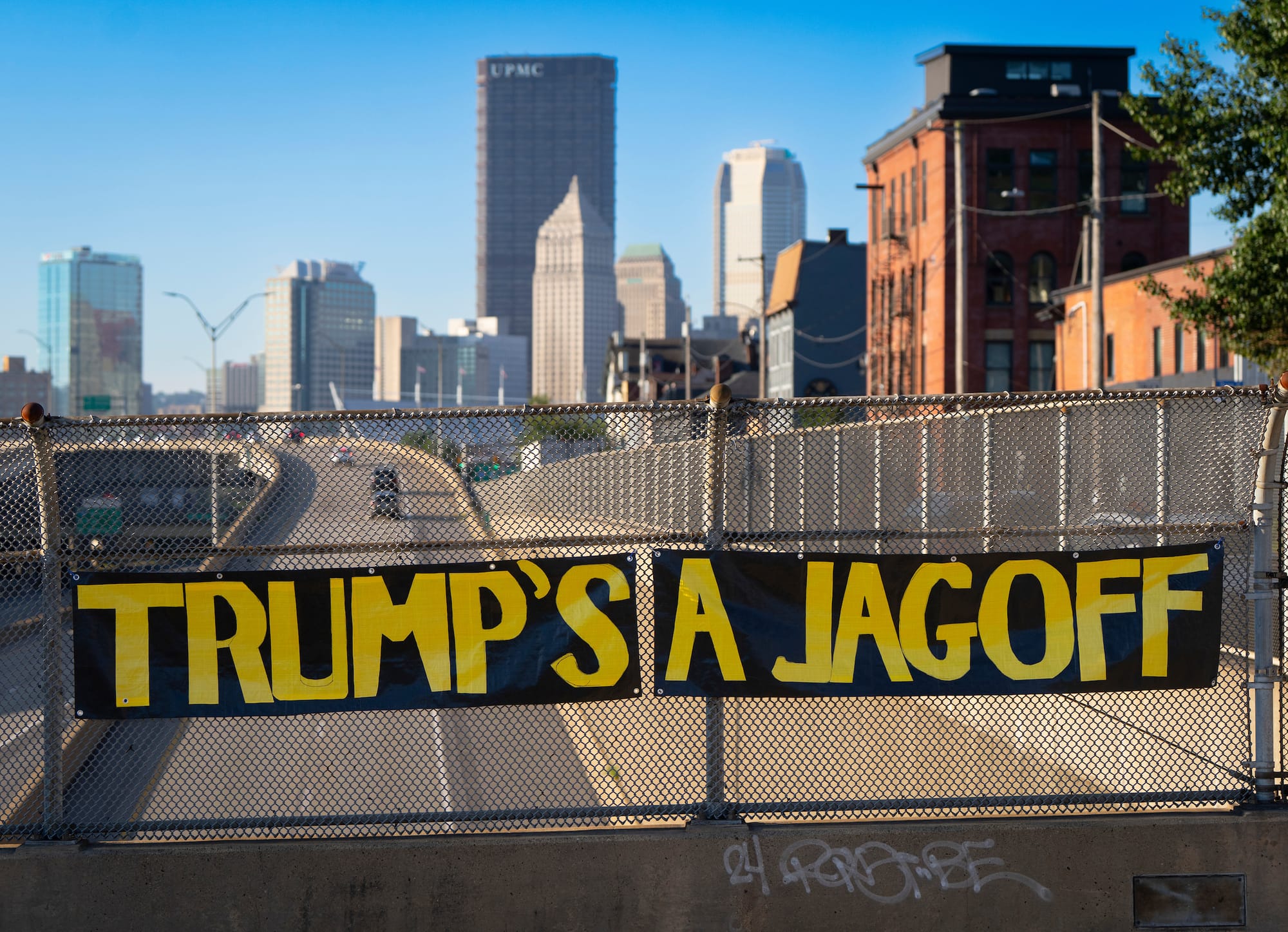
The signs have displayed messages such as “Pittsburgh Votes,” which was prominently displayed during the recent “No Kings” rally. Others have addressed corruption and immigration enforcement. At one recent demonstration, organizers discussed preparing a banner so large that the word “corruption” alone stretched roughly 28 feet.
The goal is to catch drivers’ attention, organizers said. Along with banners, groups often bring the American, Pride and Ukrainian flags to hold up and wave.
In a YouTube video, POP participants share their personal reasons for showing up weekly, highlighting First Amendment rights and community-building while encouraging others who feel isolated by today's political climate.
“It’s real different when people see somebody who took the trouble to haul the stuff out, be up there and be standing out there. Us being out there has a lot more impact,” said Ankney.
The groups use a traffic-counting app to estimate how many vehicles pass their locations. Organizers recalled counting more than 10,000 cars during a 90-minute demonstration on the North Side earlier this year.
“With just a handful of people, you can get out there and do a banner and reach many people,” Bondira said. “You could scream into the void on social media, or you could do this.”
That doesn't mean POP ignores social media. In addition to YouTube, it has a presence on Facebook, Instagram, TikTok and Bluesky. The demonstrations have become a source of community.
“People will walk by or run by with their dog and say, ‘Thank you so much for being here,’ ” Bondira said. “I can’t tell you how good that makes me feel.’”
The organizers said the demonstrations have not always been free of conflict. At some locations, demonstrators encounter counter-protesters. At the Pleasant Hills cloverleaf location, Ankney said, they will gather and attempt to evoke an emotional response from POP.
The counter-protesters have never succeeded, he said. "We are setting the example to stand your ground without engaging.”
But sustaining a movement week after week is difficult. Ankney said the energy that accompanied the early days has begun to fade, and organizers are thinking about the future, post-election.
“It takes a lot to sustain a movement like this,” Ankney said. “We’re wondering what we’re going to do after the midterms. Are people still going to come?”
For Bondira, the answer is a resounding yes. “There’s enough of us that really care about this,” she said. “It’s hope. We are a visible sign that someone is still paying attention.”
Visit the Pittsburgh Overpass Project's website to contact the group, make a donation or learn more.