Billy Porter, Conor Lamb and Malcolm Kenyatta lead speakers for Oct. 17 'No Kings' voter rally
Unlike past rallies, organizers focus on voter participation in the November election
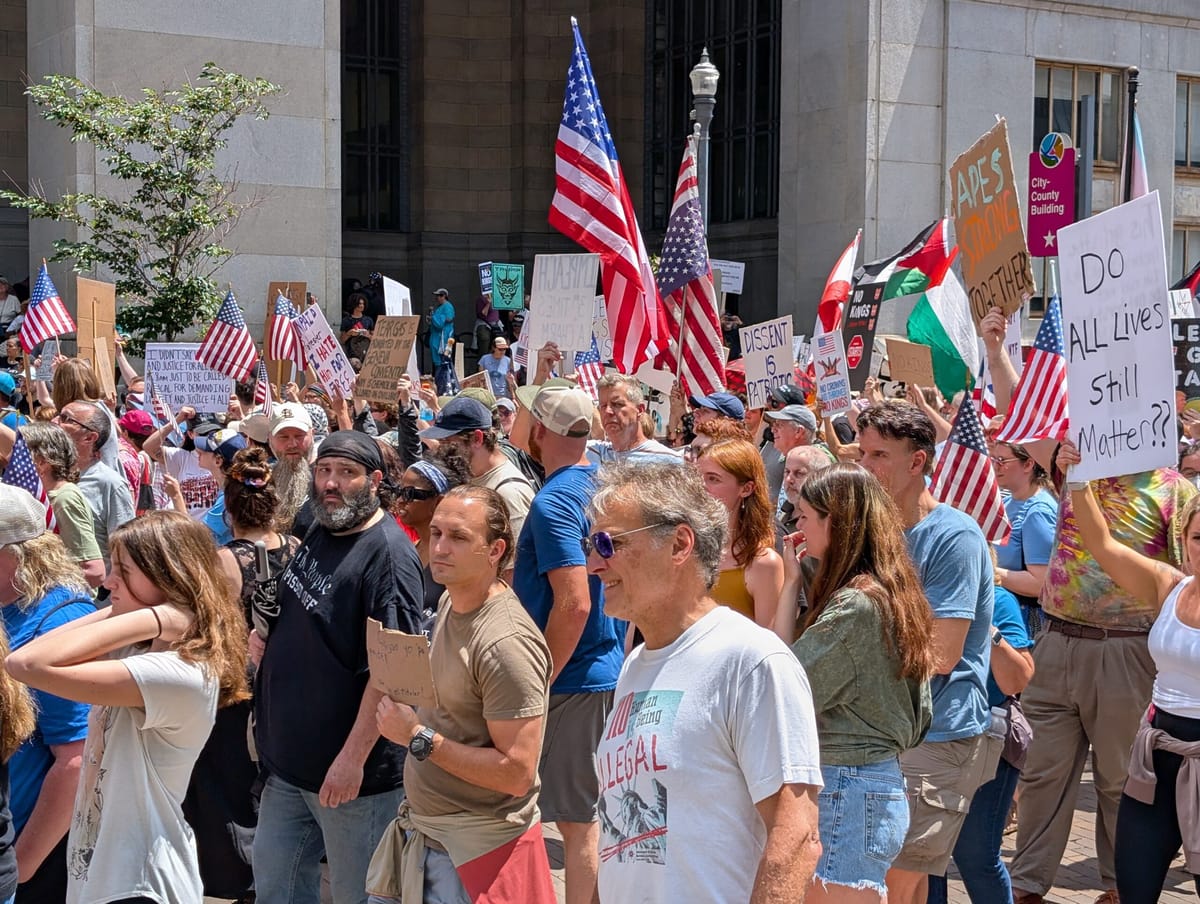
Actor and activist Billy Porter, former U.S. Rep. Conor Lamb and State Rep. Malcolm Kenyatta will be among the speakers at a rally and march Saturday in Downtown Pittsburgh that will focus on voter turnout, host Tracy Baton told the Pittsburgh Progress.
Baton said the three will be featured at “No Kings: Vote Early Pittsburgh,” along with additional speakers expected to participate.
The rally brings Porter back to his hometown. The actor, singer and writer attended the Pittsburgh School for the Creative and Performing Arts and graduated from Carnegie Mellon University’s School of Drama.
Porter has been an outspoken voice against racism and for LGBTQ+ rights and the role of the arts in public life. In March, he joined the Artists United for Our Freedoms rally near Washington’s Kennedy Center, a free-speech and arts demonstration held the day before a national “No Kings” day of action. In his remarks, Porter tied the fight over arts and culture to the broader resistance movement, proclaiming that authoritarian governments “go after the arts first” because of art’s power to change people.
Indivisible Pittsburgh is promoting Saturday's event alongside a coalition of organizations that includes Casa San José, Common Cause, Common Defense, Progress PA, League of Women Voters of Greater Pittsburgh, Coalition of Labor Union Women, TransYOUniting and Steel City Stonewall Democrats.
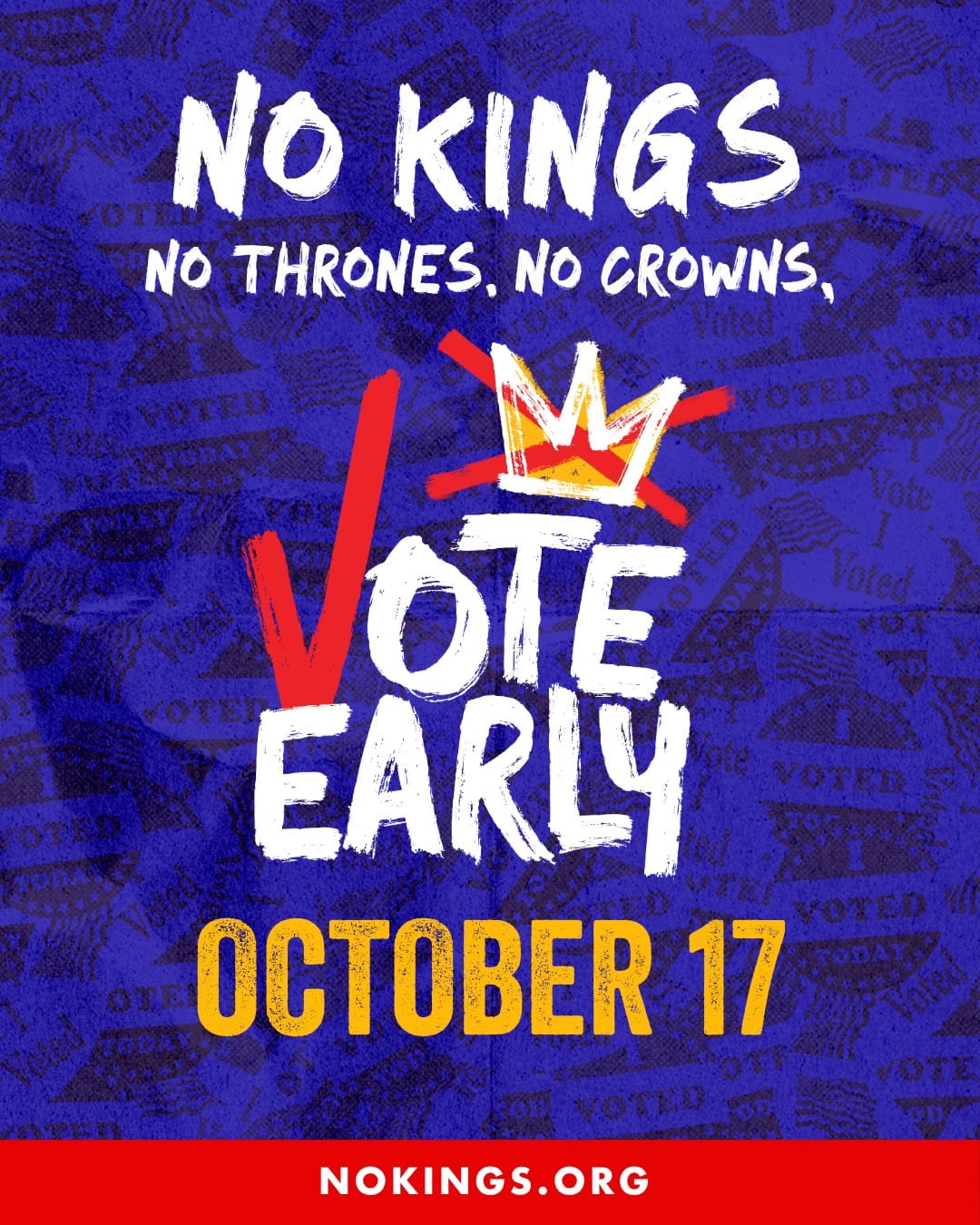
Unlike previous “No Kings” rallies that focused on public demonstrations and opposition to what organizers described as authoritarianism, the upcoming actions are designed to direct that energy toward voter participation. The national coalition describes “No Kings: Vote Early” as a day for eligible voters to learn their options and make a plan to cast a ballot.
“Our elected representatives, they only hold their power because we, the people, give it to them. And we do that by voting,” said Dana Kellerman, an organizer for Indivisible Pittsburgh.
National Indivisible leaders characterize the focus the latest iteration of "No Kings" in evolutionary terms. In a Sept. 30 podcast interview with The Nation, Indivisible Co-Executive Director Leah Greenberg said the coalition aims to “turn that protest power into voting power” by encouraging people to “make voting a season” rather than treating it as a single-day task. For organizers, she said, early-voter turnout is the central “metric of success.”
More than 1,500 “No Kings: Vote Early” events are planned in all 50 states.
“Oh, we are seeing some incredibly creative stuff," Greenberg said. "We’re definitely seeing some of the big, large-scale protests and marches, but we’re also seeing folks who are thinking about concerts, voter mobilization hubs, festivals, activity, family friendly activities that are really designed first and foremost to entertain, to bring in parents with young children.
"I’ve seen multiple 'Paws to the Polls' events, literally like dog-themed events with, like adoption mobiles and bring your pets, have a pet contest.”
The Pittsburgh rally is one of several planned in the area Saturday. Others are scheduled from 4:30-6:30 p.m. in the Hill District/Uptown, 5-6 p.m. in Shadyside, 11 a.m.-1 p.m. in Penn Hills, noon-2 p.m. in Greensburg and noon -1 p.m. in Washington, Pa.
A voting opportunity near the march
In what Baton called “synchronicity,” the Downtown rally will take place one block from the County Office Building, 542 Forbes Ave., where county officials plan to operate a satellite election office from 9 a.m. to 4 p.m. that day. At county satellite offices, eligible voters may register, apply for, receive, complete and return mail-in or absentee ballots.
Those services align with the event’s practical message. Pennsylvania does not use the same traditional early in-person voting model available in some states. Kellerman said the state formerly used an absentee voting option that required individuals to explain why they were not available to vote in person. Instead, the state now has “no excuse” and “on-demand” mail-ballot processes that allow voters to apply for an absentee ballot in person at a county election office or designated site, receive a ballot if eligible, complete it and return it in the same visit.
Baton urges first-time and unregistered voters attending the rally to get registered, take action and vote.
“Vote for your life, vote for your neighbors,” she said, encouraging people to consider how issues such as healthcare, social services and affordability affect their communities.
The deadline to register to vote in the general election is Oct. 19. The deadline to request a mail-in or civilian absentee ballot is Oct. 27. Pennsylvania voters using the on-demand process should check the county’s current procedures and bring required identifying information, which can include a PennDOT ID number or the last four digits of a Social Security number.
City is still reviewing the rally application
City officials said an application for “Pittsburgh Votes!” is currently under review. The application proposes an event from noon-4 p.m. at the City-County Building, followed by a march along Grant Street to Mellon Square. The estimated attendance is 1,000 people.
Baton said the most recent No Kings action drew more than 10,000 people Downtown.
Route, street-access and timing details should be finalized before the event.
Peace marshals focus on de-escalation
For South Hills resident Justin Thomas, participating in the “No Kings” rally is an answer to a feeling of powerlessness. He said he had never attended a protest until two years ago.
“Now I can’t count how many I’ve been to,” said the military veteran. “I swore an oath to the Constitution more than once in my life, and, you know, it is the First Amendment. People should feel safe exercising the First Amendment.”
Thomas is part of a group of veterans who are volunteering as peace marshals. He said the central part of their role is to encourage participants not to engage with counterprotesters and to walk away from potential confrontations.
“I can apply my desire to serve, and it’s healing in a sense that I can do some good here,” he said. “We consider success if the story in the news is about the protest and not about [some kind of] shenanigans that may have happened.”
His definition for success echoes Baton’s. For Baton, the point is broader than how many people participate in the rally or cast a ballot that day.
“Success is not just measured in how many people drop off that ballot. Success is not just measured in how many people go from this event to canvass. Success is not just measured in how many people go home from this event and call their friends and tell them to vote,” Baton said. “Success means voting, but it also means equipping and empowering people. Success is also measured in how many people later say, ‘I’m gonna run for office. I’m gonna be in charge. I am gonna lead a smaller event in my community.’ "