PRT riders reckon with looming proposed bus route changes
‘Cost-neutral’ proposal reflects budget stagnation in Harrisburg
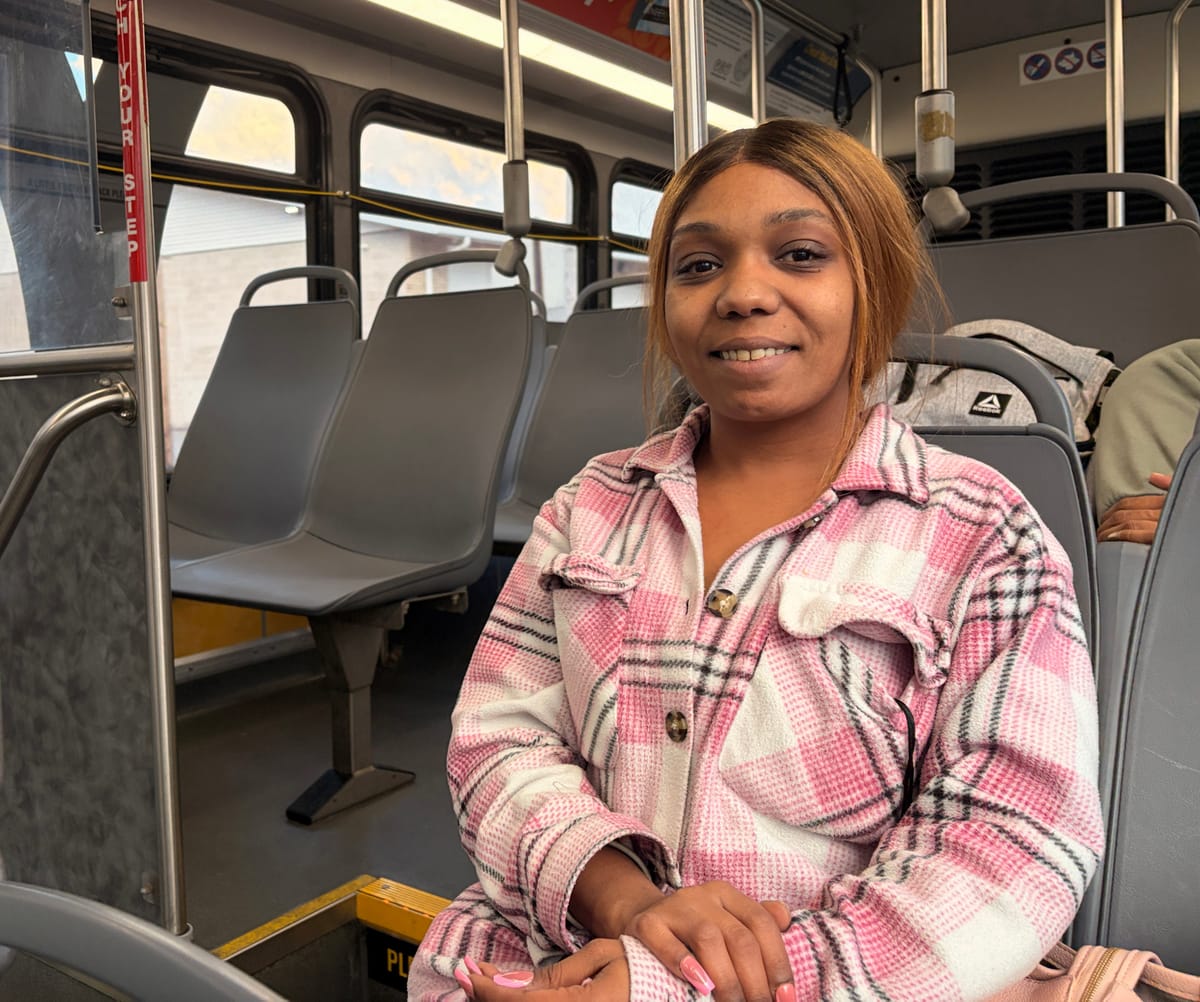
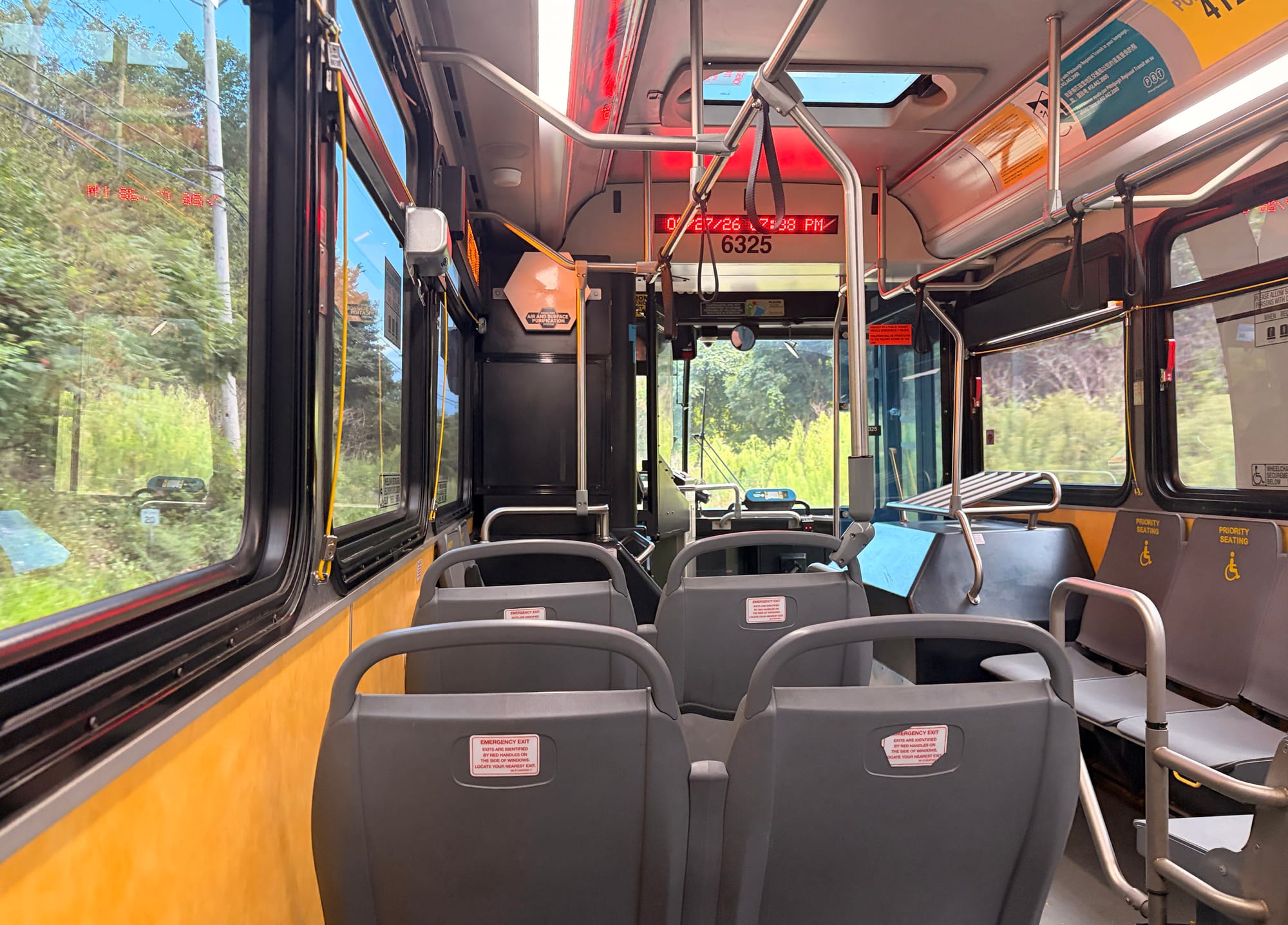
Lequay Fuller said she takes the 20 Kennedy bus four or five times per week to see her girlfriend near Groveton in Robinson.
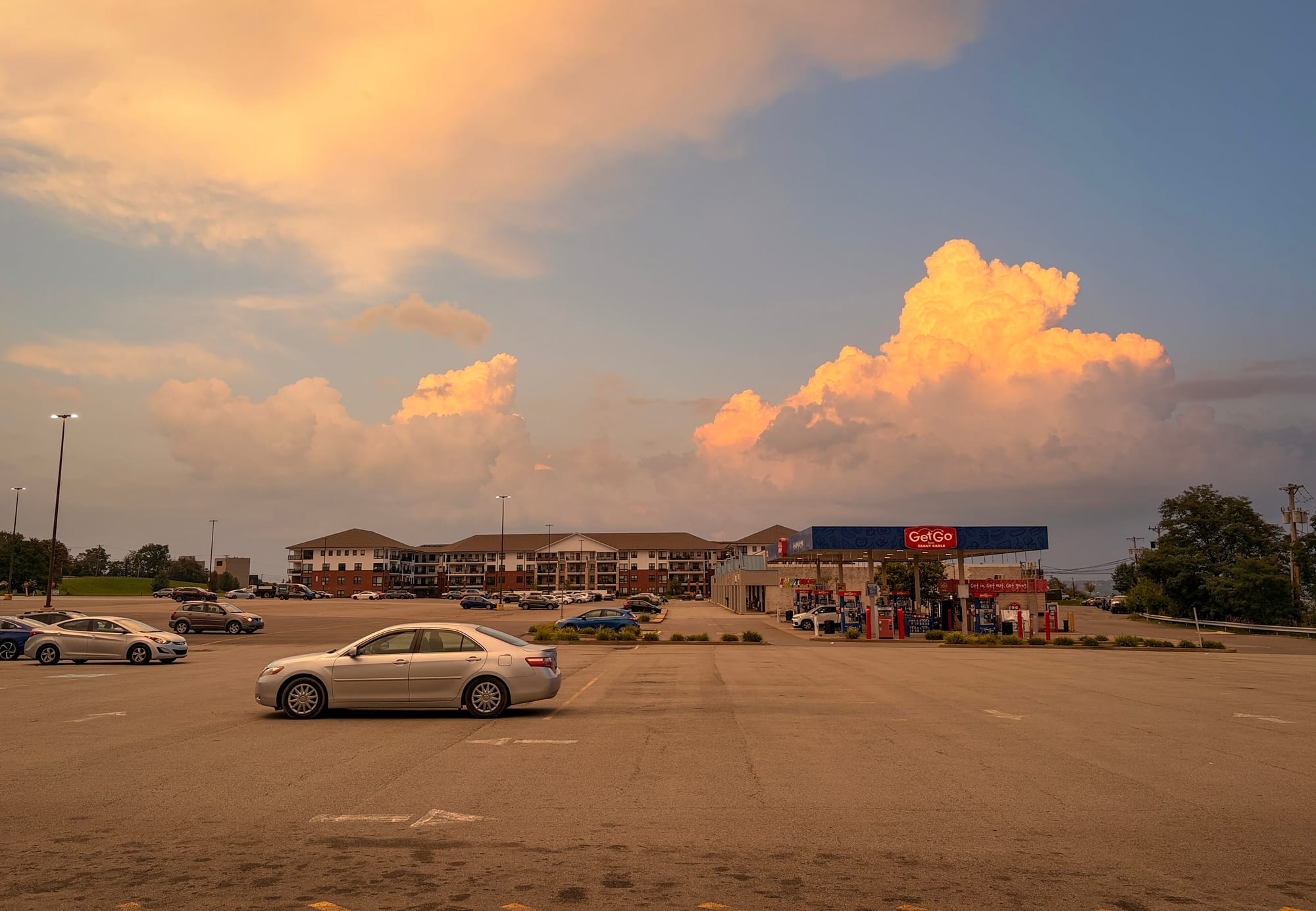
By the time the 29-year-old South Side resident gets to her stop, she’s the last rider off. The bus doesn’t pick anyone else up for the rest of the route. It ends at the Kennedy Center Giant Eagle.
This particular part of the 20’s usual sprint averages about three riders per day, according to Pittsburgh Regional Transit — and some stretches of it don’t have any riders at all.
Fuller is one of them. But she and other 20 riders are slated to lose their bus entirely should PRT’s board approve sweeping changes to Pittsburgh’s bus system, which serves hundreds of thousands of riders, as part of its “Bus Line Refresh” plan in November.
That problem, Fuller said, is nothing new to riders, especially to those taking buses out of or to more suburban and rural areas in Allegheny County.
“We have a lot of trouble getting back and forth,” Fuller said. “Either the buses don't run very often, the buses are cut really early, or they are trying to cut them overall.”
The plan, explained
The 20 Kennedy is one of several routes that will be eliminated if the plan takes effect.
Pitched as “cost-neutral,” the plan is slated to reorganize about 90% of PRT’s existing service, according to spokesperson Adam Brandolph. After reviewing over 20,000 comments from riders and rewriting the plan four times, Brandolph said PRT now has the final version of its “once-in-a-decade” overhaul.
Cutting low-ridership routes and moving their resources to higher-ridership ones is key to the plan. The 2 Mount Royal, 17 Shadeland and 53L Homestead Park Limited are among a handful of lines where portions of service will be eliminated. A full list can be reviewed on PRT’s website.
While ridership has been slowly rebounding since hitting all-time lows during the pandemic, PRT and other Pennsylvania transit agencies’ state-allocated budgets have stagnated.
Managing PRT’s budget has been “difficult,” Brandolph said. Still, he touted the plan's positive aspects.
“We were able to add frequency, add coverage to areas that don't currently have transit service with the same budget,” Brandolph said.
New lines will serve areas like Robinson, Wexford and Natrona Heights, where PRT’s buses haven’t been routed in a long time. And popular routes like the P1 Swissvale and 71B Highland Park (rebranded as 71X Highland Park) will have even more frequent service.
Trade-offs
Brandolph said cuts to low-ridership areas were crucial to enable improvements.
“At the end of the day this is mass transit,” he said, “and it's difficult to justify providing service to a stop or a community where three people are riding as opposed to a community where 300 people are riding.”
Those cuts were major complaints during a sparsely attended public hearing Aug. 25 at the Heinz 57 Center, Downtown. PRT hosted the meeting to collect final thoughts on the plan.
While they won’t affect the final proposal, Brandolph said, the comments also will be presented to PRT’s board before its vote.
Nick Giannoukakis, another 20 Kennedy rider, said in his public testimony that cuts like those to his route were not properly considered. Many existing riders, he emphasized, have no other option to get to work, shop for food and complete other essential activities other than the 20.
“For these residents, the 20 means access to groceries, education, employment, healthcare, caregivers and independence,” he said.
Other riders and advocates weigh in
Kristen Greene, testifying partly on behalf of Pittsburghers for Public Transit, said PRT should further consider the impact of its proposed cuts before implementing them. She noted the old 84B, a route that served South Oakland and was cut in 2011, as an example.
Greene, of Homestead, whose 53L route is among those on the chopping block, said PRT’s many changes and notices can get overwhelming.
“I get it that they're trying to make it better,” Greene said, “but it just seems like they’re always just causing confusion.”
Pittsburghers for Public Transit itself is keenly aware of communication breakdowns between PRT and its riders. It often publishes explainer-type content to distill upcoming changes to PRT’s service in a simpler fashion.
Laura Chu Wiens, executive director of Pittsburghers for Public Transit, told the Pittsburgh Progress that PRT could do more to consider potential impacts to riders.
She said PRT might be going about boosting ridership in a fundamentally flawed way.
“If riders can't count on the service — if the service is no longer available to them — then they don't ride,” Wiens said. “They would have left the system already if they had other options.”
How to make your voice heard
The next public hearing on the plan is Sept. 10 at the Heinz 57 Center, 325 Sixth Ave., Downtown. Riders can voice comments and concerns from 9 a.m. to noon and 3 to 6 p.m.
Comments can also be submitted online, via email to buslinerefresh@rideprt.org, or by calling and leaving a voicemail at 412-566-5525.
The public comment period for the final version of the plan closes Sept. 30.
Brandolph said PRT officials will take a preliminary vote Nov. 12 on whether to implement the changes. The board would then have its final say Nov. 20.
Should it approve the changes, they would begin taking effect around the end of next year.