Can access to the arts and culture keep the doctor away?
Pittsburgh roundtable explores social prescribing through cultural experiences

What if your physician could prescribe regular visits to one of Pittsburgh’s many museums – or maybe enrollment in an art class — at no additional cost to you?
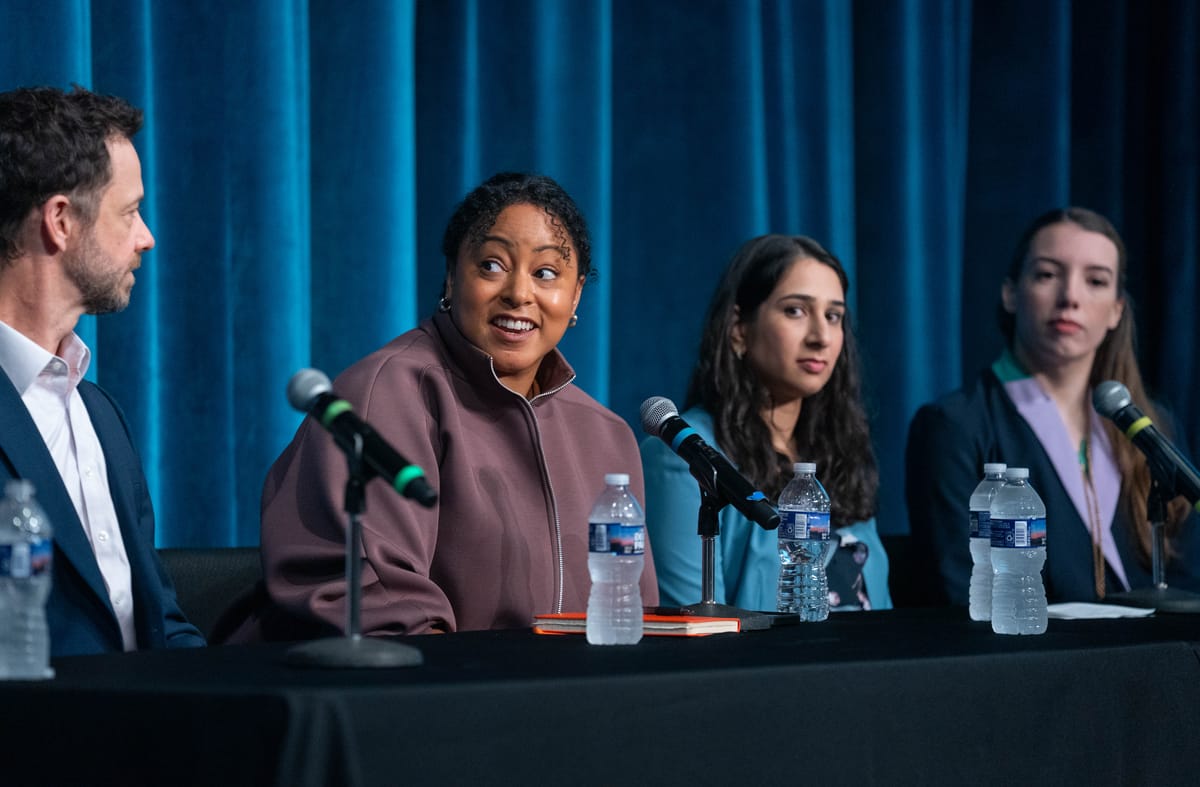
A Greater Pittsburgh Arts Council Policy and Action Roundtable, held Nov. 4 at the Manchester Craftsmen’s Guild MCG Jazz Hall on the North Side, explored that possibility. It was the Arts Council’s second event of the year meant to start local conversations about the role of arts and culture in health and wellness.
“Social prescribing” has roots in the 1980s in the United Kingdom, where it was formalized as policy through the U.K.’s National Health Service in 2019. Patients with health concerns that cannot solely be addressed by clinical care or medication — like social isolation or poverty — are connected to support workers and practical, nonclinical interventions via referral.
Social prescribing could include arts and cultural events, nature-based activities, volunteering and more.
The World Health Organization has endorsed social prescribing as a holistic model for achieving its 80-year-old definition of health – “a state of complete physical, mental and social well-being and not merely the absence of disease or infirmity.”
Researchers and clinicians, along with participants in the Pittsburgh roundtable, note that the knowledge behind the development of social prescribing — that community connection, cultural engagement and artistic expression are key factors in human well-being — is millennia in the making.
Panelists at the roundtable included Courtney Abegunde, managing director of Steel Smiling; Chris Appleton, founder and CEO of SocialRx; state Rep. Jessica Benham, D-South Side; Dr. Matt Hurford, president and CEO of Community Care Behavioral Health Organization at UPMC Insurance Services Division; and Dr. Sushma Kola, director of integrative neurosciences at the Allegheny Health Network Neuroscience Institute.
“Art and culture has always been a pathway to healing for all communities,” Abegunde told the Pittsburgh Progress. “Therapy and medication management — that’s our newest technology. Thousands of years ago, we were not billing insurance. For our care, we were doing that in community.
“And art was one of the very first vehicles we had for communicating what we were thinking and how we were feeling with each other.”
Abegunde previously was a mental health care worker who counseled people with addiction and serious mental illnesses. Now, she connects Black Pittsburghers with positive, community-rooted mental health experiences while strengthening the Black mental health ecosystem. Abegunde said she views social prescribing as a new language to describe longstanding human wellness practices — a way to formalize community care and a pathway to fit it into the existing healthcare system.
“Artists have been working as healers at the community level in Pittsburgh for a very long time,” Greater Pittsburgh Arts Council CEO Patrick Fisher said in an interview with the Progress. “While we recognize we are giving the community perhaps new terminology and new buckets to put this work in, in a way that aligns with national and international strategies, we do not think we are inventing this.”
“Art and culture has always been a pathway to healing for all communities. Therapy and medication management — that’s our newest technology. Thousands of years ago, we were not billing insurance. For our care, we were doing that in community."
— Courtney Abegunde, managing director of Steel Smiling
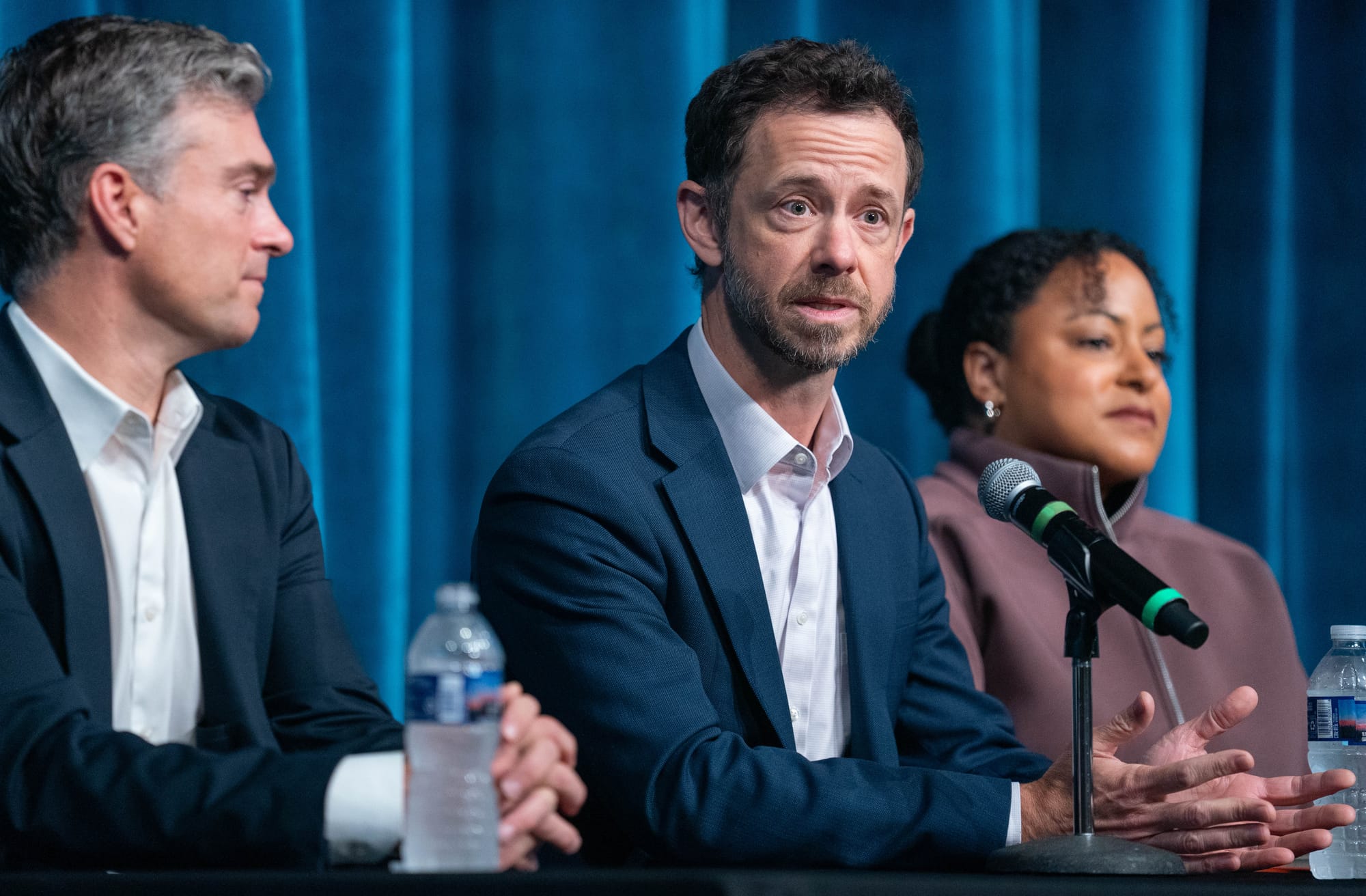
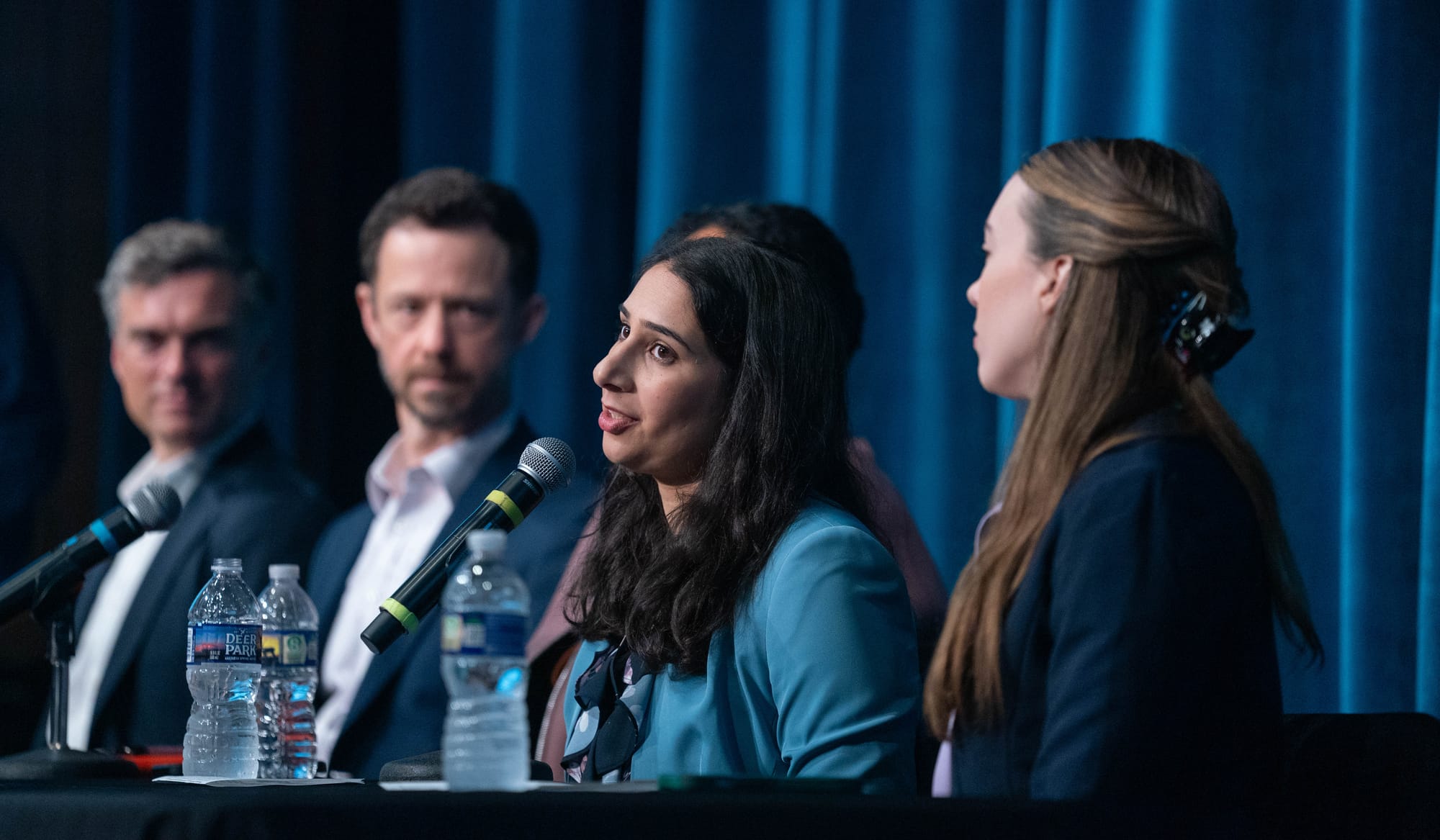
Left: Chris Appleton, CEO and founder of SocialRx, listens as Dr. Matt Hurford of UPMC speaks about social prescribing at the Arts Council roundtable. Right: Dr. Sushma Kola of AHN shares a comment at the event, where participants discussed the possibility of bridging the local arts and culture ecosystem with Pittsburgh's regional healthcare network. (Photos by Pam Panchak/Pittsburgh Progress)
A lot of evidence with room for more
At the roundtable, Kola said decades of research internationally has shown when people engage in creative activities — from dancing to painting to playing music — the brain is engaged in ways that reduce stress and improve mood and overall well-being.
“And if we do these activities with other people, then we're also adding social integration, social connection,” Kola said. “That in itself adds that communication skill and a sense of belonging that all of us truly strive for.”
The National Endowment for the Arts, which has supported extensive research on the health advantages of engaging with art, notes that positive effects span all life stages and multiple ways.
Beyond the benefits of the arts themselves, at the core of the movement for social prescribing is evidence-based understanding of the social determinants of health — “the conditions in which people are born, grow, live, work and age,” as defined by the WHO.
The WHO and Centers for Disease Control list social determinants of health to include access to housing, education, economic stability and the effects of racism. While the CDC has historically emphasized the central role of race, gender and sexual orientation as determinants, too, it has diminished that evidence under the Trump administration.
Both agencies consider social isolation and loneliness to be serious threats to human health and well-being. Social determinants of health have been found to be more influential on health outcomes than genetics and even access to health care.
Appleton, who leads the Atlanta-based digital social prescribing health services platform SocialRx, told the Progress that while the pioneering U.K. social prescribing model incorporates a broad array of social determinants of health, efforts to bring social prescribing to the U.S. are primarily addressing a lack of connection and belonging.
Clinical and health experts, at the Arts Council event and in other Progress interviews, said the U.S. health system has significant weaknesses when it comes to alleviating concerns that can lead to poor health but can’t necessarily be treated in a doctor’s office.
“I think there is probably a bit of a gap for our healthcare providers and their training,” Tamara Dubowitz, a social epidemiologist and chair of epidemiology at the University of Pittsburgh School of Public Health, told the Progress. “Our healthcare system is really not based on acknowledging social determinants of health in the same way that other health systems may be.”
Kola said the integrative medicine framework, which considers the whole person in treating specific medical problems, includes five pillars: physical activity, nutrition, sleep, stress reduction and mind-body connection, which includes social connection and personal meaning.
Yet Kola said she had to choose to spend extra time in fellowship training studying integrative medicine because it was not offered to her in medical school.
“If it has such a big impact on our health, why is that not something we are learning about?” she added.
Dr. Matt Hurford, who leads the organization that manages behavioral health coverage for 250,000 Medicaid recipients in Allegheny County and more than 1 million across Pennsylvania, emphasized the way creative activities can help empower people receiving mental health treatment.
“We do things to [people with mental illness] instead of with them far too often,” Hurford said at the roundtable. “The activities that fall under social prescribing speak directly to the importance of bringing that locus of control inside us as individuals and people.”
Panelists cited stark data in making their case for social prescribing:
- 1 in 3 U.S. adults of all ages report feeling lonely
- Social isolation is associated with a 50% higher risk of dementia in older adults, a 29% higher risk of heart disease and a 32% higher risk of stroke
- Loneliness has the same mortality risk as smoking 15 cigarettes per day
“If you think about other healthcare risks that we think about all the time such as tobacco use, alcohol use, high-risk behaviors, [social isolation] impacts [health] more than those things, or at least as much,” Kola said.
Hurford said considering avenues to combat social factors like loneliness especially matters for a region like southwestern Pennsylvania, where the population is disproportionately aging.
Research has shown modern youth struggle with social isolation at even higher rates than aging populations. Appleton said although loneliness is a problem for people of all ages, SocialRx primarily works with people 55 and older, 12 to 26 years old, and university students between ages 18 and 30.
Proponents of social prescribing point to a large body of research showing marked improvements in psychological well-being and a notable reduction in the strain on clinicians and healthcare systems. SocialRx cites significant positive effects — 80% of its patient with poor mental health saw improvements, while 68% reported reduced loneliness.
“Social prescribing seems like the exact answer to what many of us have been studying for a very long time,” said Dubowitz, who recently wrote an essay for the Arts Council affirming the importance of incorporating art and collective cultural spaces into communities.
The big question: Who pays for it?
Massachusetts was the first state to pilot a statewide social prescribing model through a partnership between the Mass Cultural Council, the state’s arts agency, and SocialRx.
Appleton said the majority of patients in SocialRx’s social prescribing model are Medicare or Medicaid recipients, and none are charged for their “doses” of a social prescription — 12 per year per patient.
SocialRx pays arts organizations directly for a dance class, a creative writing workshop or a museum visit, just as a medical provider would be paid for clinical care.
During the roundtable, Fisher coordinated a QR-code based survey for the more than 100 audience members, with results appearing through a projector. In response to the question, “From where you sit, what’s the biggest barrier to making social prescribing real here,” a colorful array of responses filled the screen.
At the center of the cloud, in large red letters, was funding.
While SocialRx began its work with backing from private investors and venture capital, Appleton told the Progress the bulk of funding for its model comes through contracts with health systems, health plans, universities and public health agencies. It also has partnerships with community arts and cultural organizations, paying for client admission fees and other charges.
Fisher said he hopes the event is a catalyst for a broader effort to develop infrastructure that could support greater access to the arts and cultural experiences as pathways for individual and community health improvements in Pittsburgh and beyond.
Researchers from the RCSI University of Medicine and Health Sciences in Dublin, Ireland, reported this year that while research is growing to support social prescribing, more robust studies are needed on the model’s economic impacts.
Appleton characterized global research and the limited U.S. research as “apples to oranges” to the Progress, adding that the U.K.’s nationalized health system, for example, allows for the study of individual impacts across a lifetime. The U.S. healthcare system, where people often switch plans when leaving jobs or must transition out of them due to cost, does not.
In an April report on its partnership with Franklin, Massachusetts, supported by opioid settlement funds, SocialRx exclusively cites U.K.-based research and advocacy group reports to back up its assertions on the economic benefits and cost-effectiveness of social prescribing.
“In the U.S., we really need to focus on research and understanding the economic value of social prescribing … because, unfortunately, few investment decisions are made around people’s health that don’t first consider the financial implications,” Appleton told the Progress.
In another roundtable audience survey question — “Who else needs to be at the table to make this work?” — another prominent word appeared: insurers.
Ray Prushnok, executive director of the UPMC Center for Social Impact and associate vice president of government programs at UPMC Health Plan, asked during the Q&A session how stakeholders should view investments like beautifying public spaces and investing in art directly versus investing in a model like social prescribing.
“The thing I struggle with is that healthcare shouldn’t be in this business [of social prescribing] if we were doing things right much further upstream,” Prushnok said.
Abegunde said, in response to Prushnok’s question, that she views social prescribing as just one lever of collaboration within the healthcare system.
“We’re talking about a very specific thing here, which is creating targeted collaborations between healthcare providers and art providers,” Abegunde said. “And that is going to look a little bit different than art for art’s sake.”
“In the U.S., we really need to focus on research and understanding the economic value of social prescribing … because, unfortunately, few investment decisions are made around people’s health that don’t first consider the financial implications."
— Chris Appleton, CEO and founder of SocialRx
Ensuring accessibility for people who need it
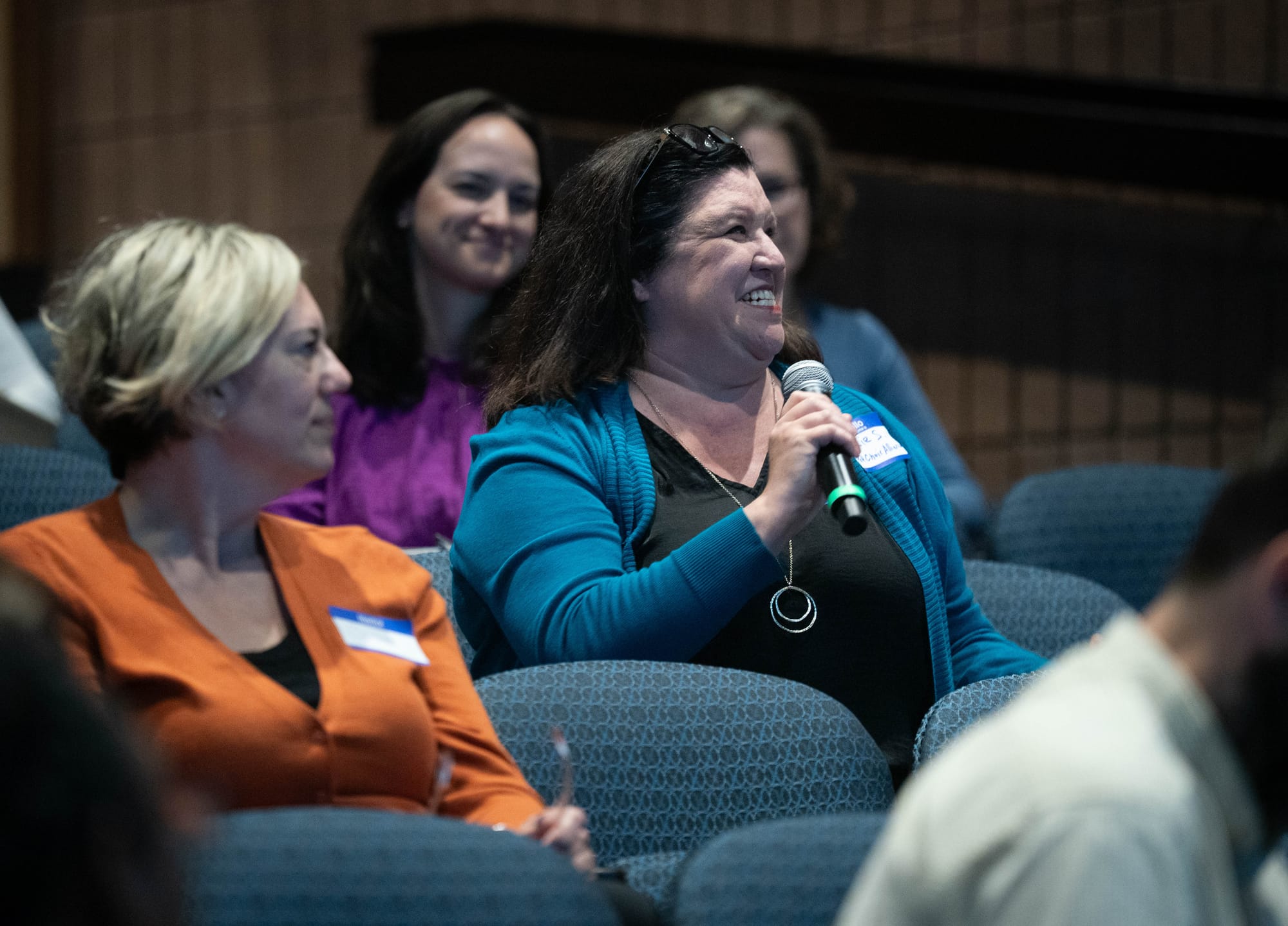
Dr. Daniela Brissett, a Pittsburgh pediatrician who works with adolescents in the legal system, expressed support for social prescribing at the roundtable, but she worried accessibility would be a problem for the most marginalized, who she said often do not feel welcome in the city’s museums and theater spaces.
“Social prescribing, in theory, is wonderful, and I fear that it is made for a certain type of person,” Brissett said.
Brissett said she frequently hears from adolescent patients who feel attacked and targeted for socializing in public.
“We’ve seen it in the news that they’re often labeled as ‘super predators’ for merely just coalescing into parks or public spaces, movie theaters and spaces of entertainment,” Brissett added.
Multiple local news outlets, including Public Source, have reported on the city’s response to teens gathering in public, which some youth advocates say unfairly criminalizes Black and brown children lacking safe community spaces.
Appleton told the Progress that SocialRx primarily provides social prescriptions for economically disadvantaged and medically underserved populations. Demographic data SocialRx shared with the Progress indicates about 29.3% of its patients across the U.S. identify as Hispanic or Latino, 25% as Black or African American, 24.9% as white and 13.7% as Asian. Just over 60% are ages 18 to 54, while minors make up the smallest percentage at 11.3%.
However, Appleton said because SocialRx is working to integrate social prescribing into U.S. healthcare, which employs certain eligibility criteria, many people who could benefit from it can’t access it.
“We’re trying to, with others, create the evidence base and conditions and models that make it possible for everyone that does need and can benefit from … a prescription for arts and culture to be able to get one,” Appleton said.
In 2024, the Allegheny County Department of Human Services reported that 70% of Black families and 66% of Hispanic or Latino families below the poverty line live in high- or extreme-need census areas. The report says Black families with incomes above the poverty line are still far more likely than their peers from other racial and ethnic groups to live in under-resourced communities.
Abegunde told the Progress she believes social prescribing could fill a local gap that exists, but ensuring accessibility must include intentional messaging and marketing to marginalized populations.
“If we’re not [intentional] with inclusivity — meaning all cultural backgrounds, socioeconomic statuses, types of mental health conditions,” Abegunde said, “then the only people who will receive it are the people who … were already going to use it, who may already be able to afford it, who may have the easiest access already.”
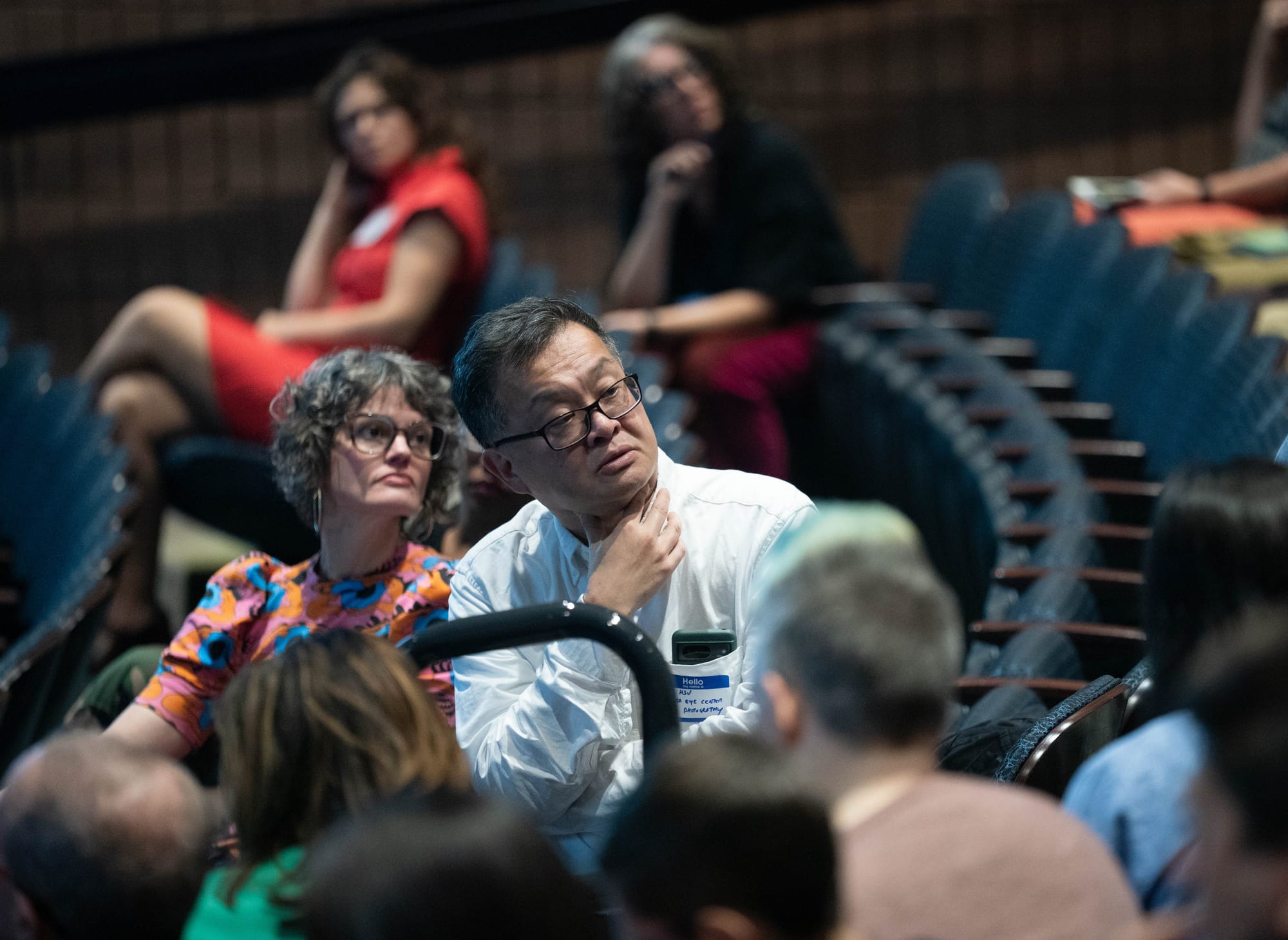
What about the people who do the work?
More than one roundtable panelist and attendee stressed the importance of ensuring artists and creators reap the benefits of social prescribing initiatives.
One audience member worried this model could negatively impact arts workers in ways that music streaming services did to performers. That industry shift increased accessibility for listeners and led to skyrocketing corporate profits, but it kneecapped independent musicians’ ability to earn a living, according to the United Musicians and Allied Workers.
Appleton said the way to address that concern is to target the populations who would most benefit from social prescribing while measuring the economic value of what is being created.
“Part of our origin story and why we exist is artists are creating economic value for the healthcare system,” Appleton said. “Every day, the health system is capturing that value. Artists aren’t capturing that value. That doesn’t seem right.”
Fisher added that he believes local artists and arts organizations would need to unite in advocacy for themselves to ensure social prescribing isn’t something exploited for profit, and “that it’s truly about serving the people.”
One audience member and Pittsburgh native said she witnessed its positive impacts while running a community garden in the U.K., where she moved to study medical anthropology at the University of Oxford.
“One of the reasons I think that model works so well was the social prescribers would often come in person with their clients,” Joanna Tamburino, the food justice coordinator for the Triboro Ecodistrict in Millvale, Etna and Sharpsburg, said. “They needed someone to build a rapport with them and to say, ‘Yes, you can do this,’ and to sort of initiate that process,” she said.
Abegunde told the Progress she believes local stakeholders would need to be thoughtful in finding people to connect patients with services.
“I’m really interested in seeing peer support and recovery support professionals [with lived experience] being trained in something like social prescribing,” Abegunde said.
But SocialRx does not incorporate in-person workers or peer specialists, as the U.K.’s system does. According to its website, SocialRx employs fully remote “Care Navigators” who support members online and over the phone. The company says, however, in most instances it will cover the cost of an additional ticket or entry fee for participants who want a friend or support person with them.
Rachel Saul Rearick, executive director of Contemporary Craft in Lawrenceville, expressed support for social prescribing from the roundtable audience while advocating for arts workers, whom she said could be given more responsibilities.
Rearick said while Contemporary Craft already incorporates mental health response into employee training — because people with such diagnoses walk through its doors — she believes the “safety net” for overburdened arts workers should be discussed.
“We actually are asking arts workers to take on another layer,” Rearick said. “I think [social prescribing] is awesome, and also, let’s just make sure we advocate for the people that are already being asked to save the world.”
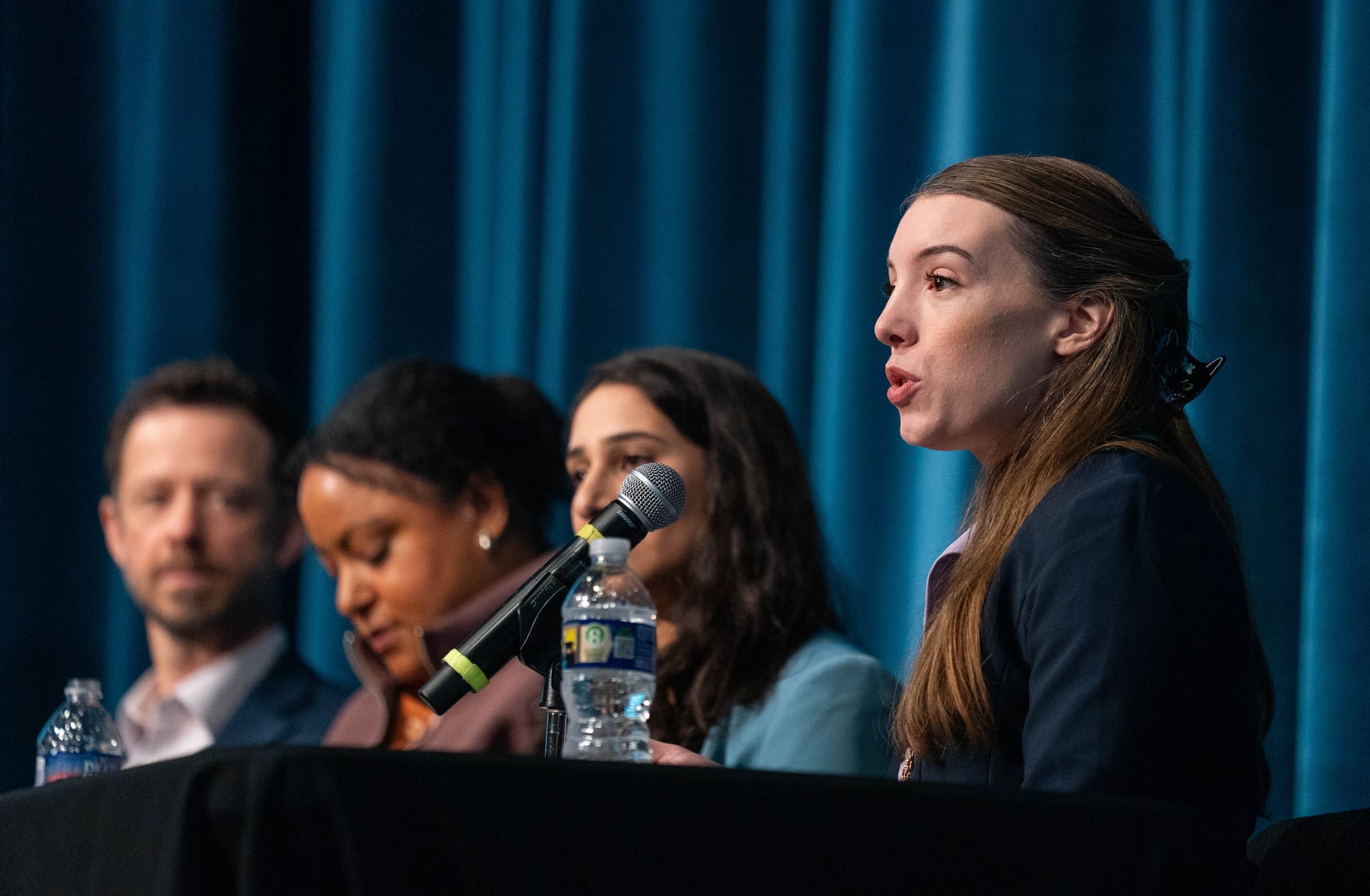
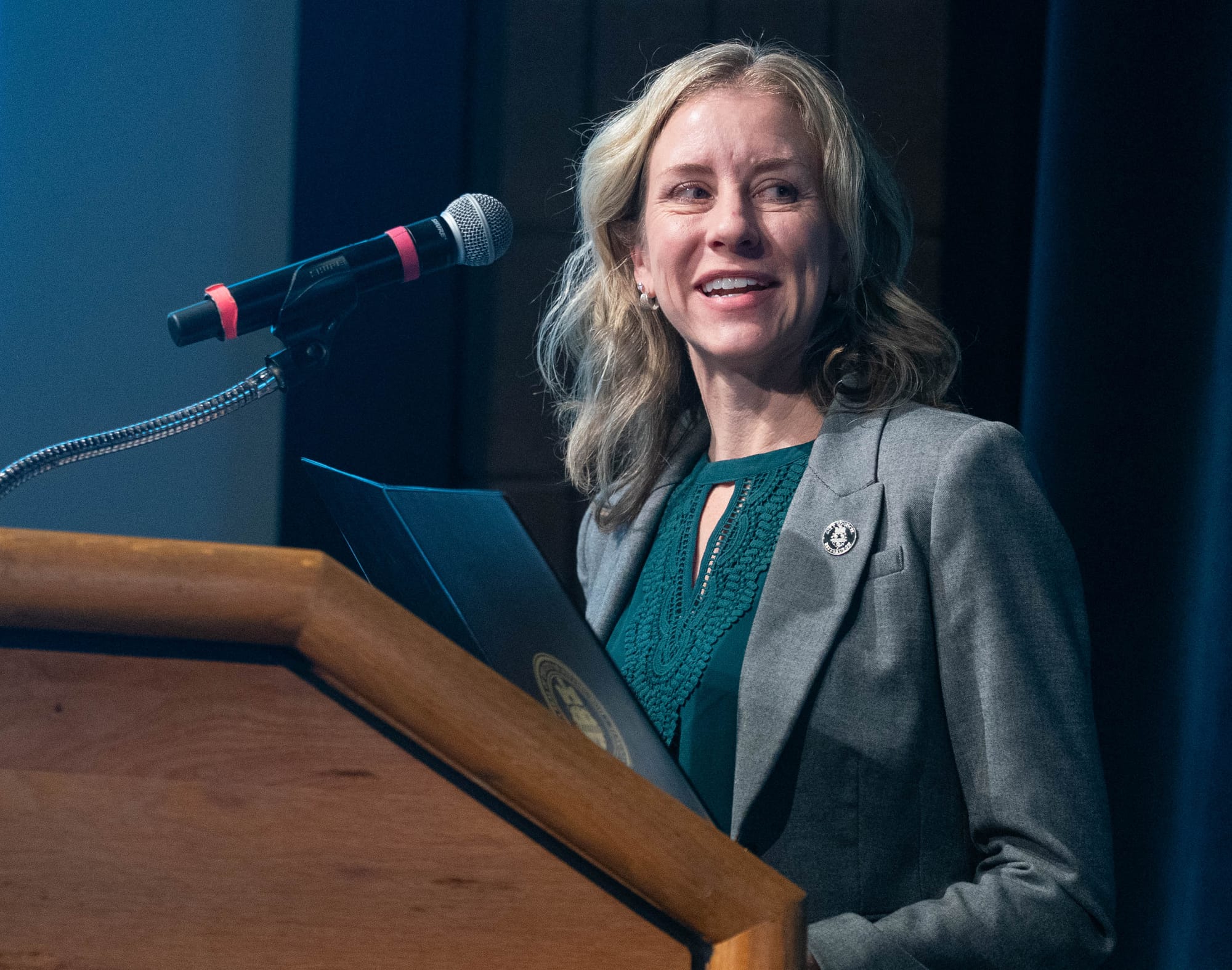
Left: State Rep. Jessica Benham, D-South Side, speaks from the stage about the importance of arts and culture in her own life. Right: City Councilwoman Erika Strassburger, who represents Oakland, Shadyside and Squirrel Hill, reads aloud a proclamation from the council affirming the importance of the arts for human health and well-being.
Bringing social prescribing to Pittsburgh
Roundtable attendees in survey responses broadly supported an effort to pursue a social prescribing model in Pittsburgh. The next step, audience members said, should be developing a cross-sector working group to explore the idea.
Fisher said prior to the roundtable, the Arts Council met with Appleton a number of times and helped facilitate meetings between SocialRx and local elected officials, health networks and clinicians.
Appleton declined to identify the other stakeholders his team met with other than the Arts Council. But he and fellow panelist, State Rep. Jessica Benham, D-South Side, who confirmed she has been part of those conversations locally and in Harrisburg, characterized them to the Progress as being in the “early stages.”
Hurford expressed support for bringing social prescribing to Pittsburgh, but he noted during the panel discussion that part of the challenge would involve persuading the Pennsylvania Department of Human Services to approve a Medicaid waiver for it.
Hurford encouraged representatives of the arts organizations in attendance to speak with their legislators about social prescribing when DHS begins developing a new five-year health improvement plan to supplant the one expiring in 2028. They should also, he said, consider taking part in community needs assessments administered by municipalities and health systems as part of various accreditation processes.
Allegheny County Health Department medical director Dr. Jill Irwin, who attended the roundtable, said she believes social prescribing is “ripe for a public-private partnership.” She noted that while the region has a dedicated philanthropic community, “if we depend on that forever, we will be mistaken.”
Irwin advocated for the development of a public program to support social prescribing, adding that depending solely on Medicaid or private insurers could limit access. She said she would support the creation of a county Health Department program alongside SocialRx and other stakeholders, like UPMC, Highmark, concierge providers and community health centers.
City Councilwoman Erika Strassburger brought to the event a proclamation affirming the value of the arts in human health and well-being.
“I will wait for Representative Benham to tell us when the timing is right or for our arts advocacy organizations for something stronger, a stronger piece of advocacy such as a will of council resolution or other lobbying efforts,” Strassburger said.
Karl Blischke, executive director of Pennsylvania Creative Industries — an agency within the governor’s office formerly known as Pennsylvania Council on the Arts — told the Progress he was aware of the Massachusetts program. He said he welcomes the possibilities for social prescribing in Pennsylvania and potential policy discussions.
A few survey respondents expressed concerns at the realism behind bringing the model to the region, the infrastructure to support practitioners, and its effectiveness compared to other options. None, however, seemed to disagree that the arts can provide a pathway to better health.
Benham, who won re-election Nov. 3, said at the event she believes her Harrisburg colleagues would need to see a clear connection between the arts and improved health outcomes to support more funding for creative initiatives and to help bring social prescribing to Pennsylvania. Like Hurford, she encouraged attendees to speak with their legislators and emphasize the link between health and engagement with the arts.
“If I were to walk into the offices of some of my colleagues and say, ‘Art is healthcare,’ folks would maybe think that’s a bit of a stretch,” Benham said. “But if I walk them through what social prescribing means, the ways in which it can supplement and enhance traditional healthcare, I think that the outcomes then look a little different.
“I think that’s an innovation of continuing to fight for more funding, period, for arts organizations, and then helping legislators understand that connection.”