Bloomfield Starbucks closure sparks union baristas' anger, mixed with sorrow and affection

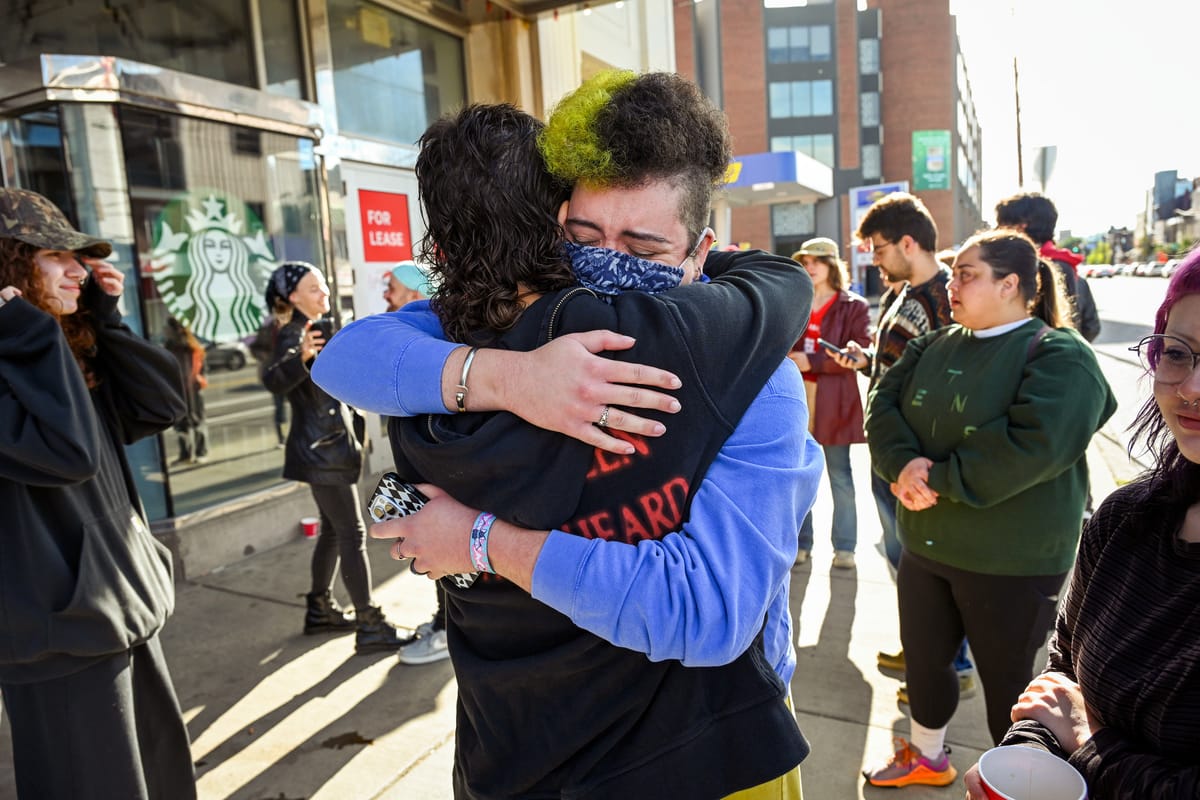
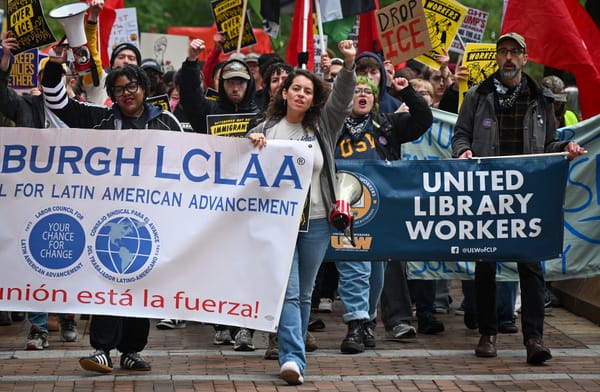
The American ritual playing out on the wide sidewalk in Pittsburgh’s Bloomfield neighborhood Saturday morning seemed familiar in many ways. There were the group chants about union strength and sticking together, the handmade signs demanding fair contracts and calling for boycotts, the passing motorists honking their horns in support.
We’ve seen such gatherings at the gates of steel mills, at coal mine portals, at glass bottle plants, candy factories, newspaper offices. It's a long list. Picket lines and protests remain the most visible instrument available to everyday folks pushing back against powerful people and entities that, in pursuit of profit, create great damage to communities.
The rally in Bloomfield, however, was different in at least two ways. First, those on the picket line were younger, in their 20s mostly. Second, in addition to voicing their rage and sorrow at the decision by Starbucks to close a store that was a center of union organizing, the workers spoke openly and, at times, painfully about the emotional bonds trampled by that decision. They spoke of affection.
“Not to sound cliché here, but I do think that love is genuinely the most powerful force that the working class has,” said Christi Sessa, a barista at the Bloomfield Starbucks, the first in the state to unionize under Starbucks Workers United. “Our love for each other is exactly why those in power want to divide us. And our love for each other is why we will refuse.”
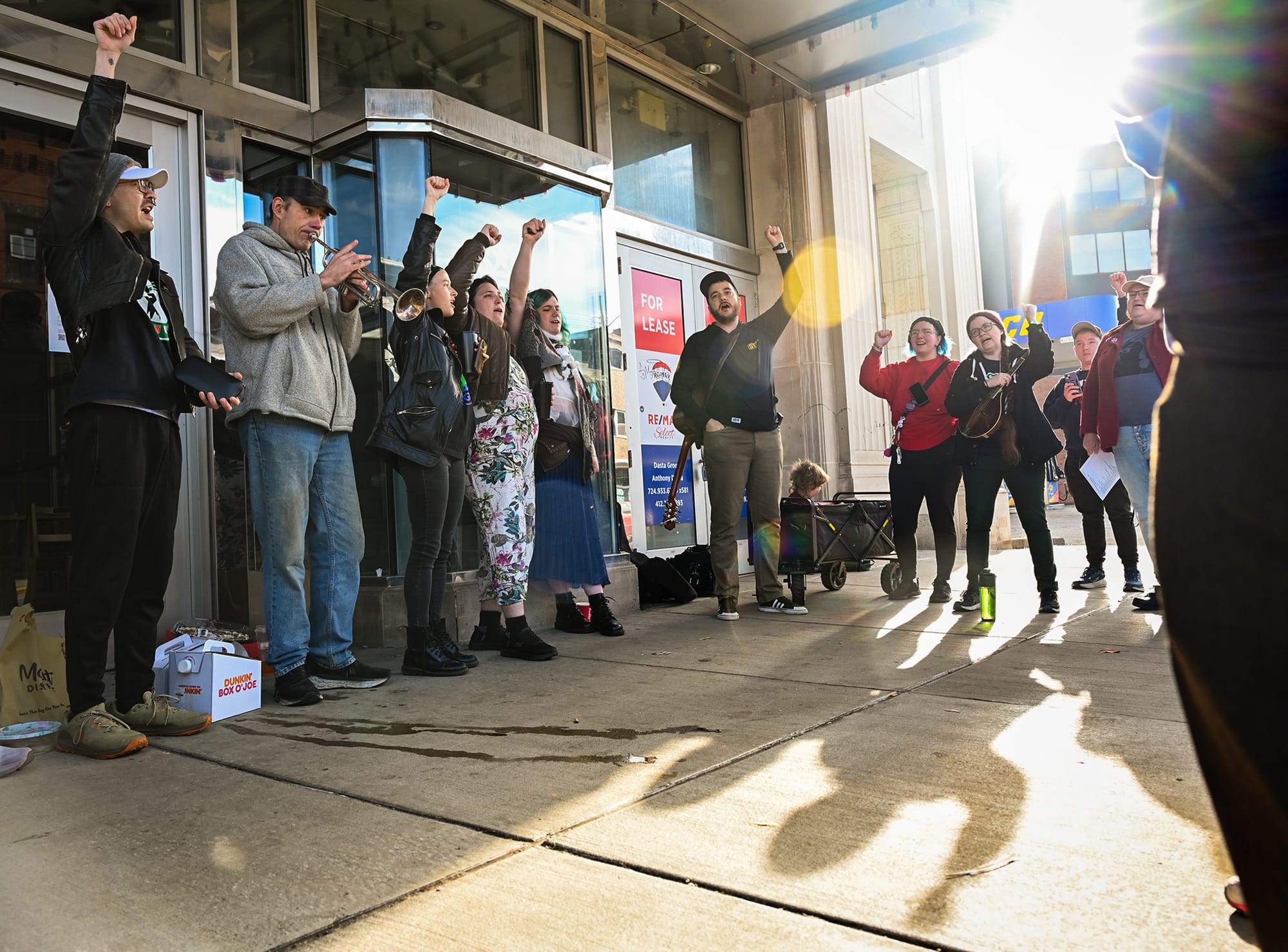
While Sessa spoke, Edwin Everhart of the Pittsburgh Labor Choir gathered Sessa’s colleagues and supporters several feet away and led them in singing the union classic, “Which Side Are You On?” a song written by the wife of a striking coal miner in Harlan County, Kentucky, in the 1930s.
Florence Reece penned the lyrics on a kitchen calendar after company thugs burst into her home, searching for her husband Sam Reece, a union organizer and coal miner, and terrorizing the couple's children. Reece would certainly recognize the fighting spirit of the baristas belting out her song in Bloomfield nearly a century later. And no doubt she’d agree with Sessa that working people must stick together if they expect to have any chance in their battles with foes commanding boundless resources.
By the way, we're hearing calls for solidarity from people who've never carried a union card. They're coming from residents demanding accountability years after a Norfolk Southern train full of toxic chemicals wrecked and exploded in East Palestine, Ohio. They're echoed at public meetings throughout the country, as neighbors stand together to voice their opposition to massive data centers planned for their backyards, and in towns and cities where people carry smart phones and whistles to alert neighbors to the presence of ICE agents.
As we saw on Saturday, you can squeeze defiance, anger, determination, courage, sorrow and especially love onto a small strip of Pittsburgh sidewalk. You can do it at a mine portal or a factory gate, or at a public hearing or on a street where people face down masked and heavily armed men who seem to act without impunity. It's a form of expression that, throughout this country's history, has connected and given strength to everyday folks willing to do more than just worry about the threats posed to themselves and their communities.
'We're just all humans ... just trying to live'
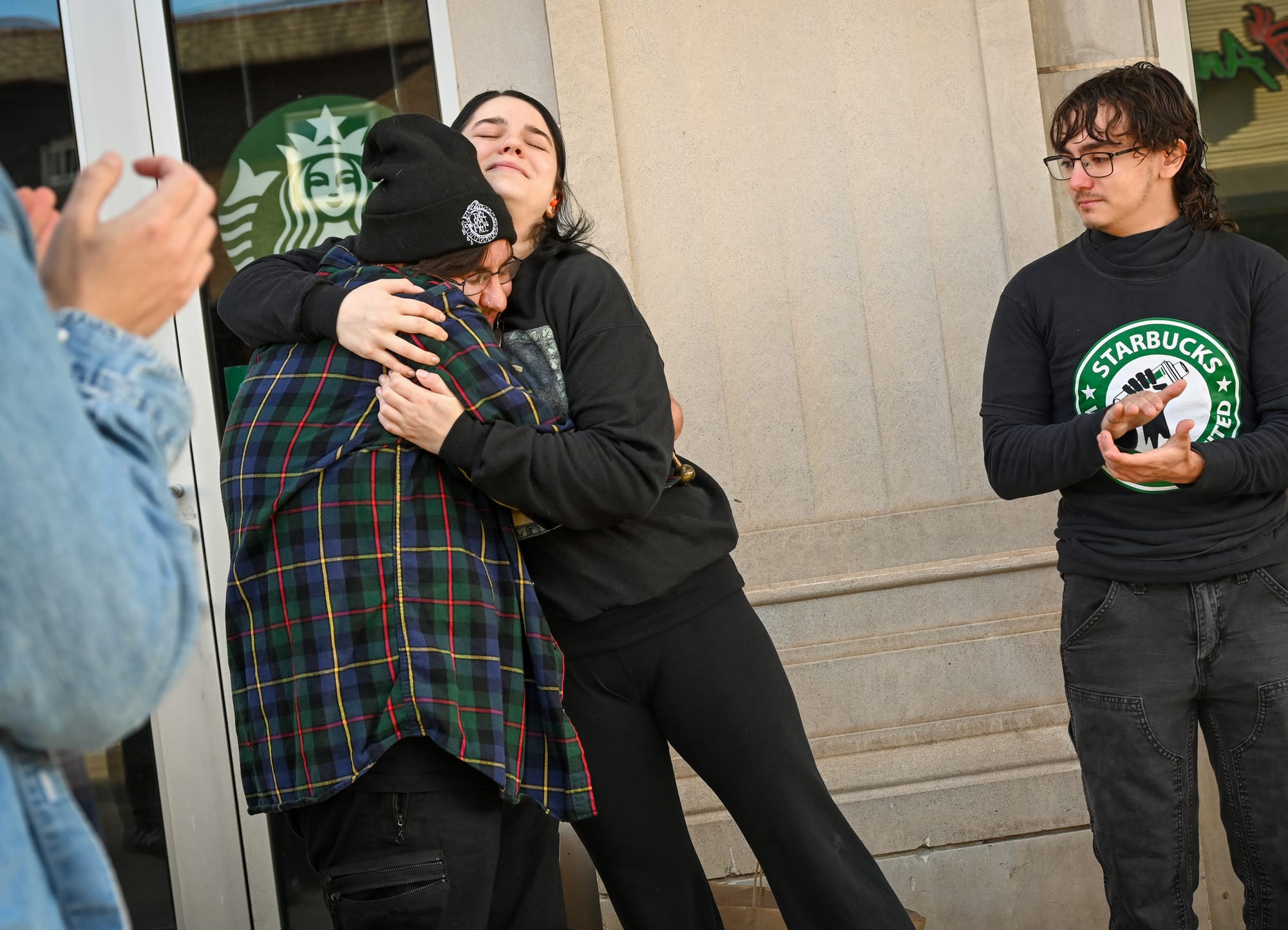
We caught up with barista Maxine Wageman moments after she'd joined in a group picture with past and present employees at the Bloomfield store. Wageman, who uses the pronouns they/them, seemed destined to work in the service industry. As a child, Wageman dressed up as a server on Halloween. It's no surprise their Starbucks career began at 19.
“I'm going to be 26 in two weeks. So, I’ve been doing this most of my adult life,” Wageman said, standing a few feet from the store entrance. “I came out here. I'm gay, and I'm also nonbinary. I learned who I was here. I learned to be an adult here because I don't have the best relationship with my parents.”
Wageman often arrived early in the morning to open the store and, therefore, got to know customers who showed up for a caffeine boost well before sunrise. “I have, like, five regulars that I see only in the morning,” Wageman said. “Sometimes I don’t even know a customer’s name, but I know their order and I know how their kids are doing.”
Starbucks gave only a day’s notice of the store's closure, Wageman said. Their last shift started at 6:30 a.m. on Friday and offered no opportunity to say goodbye to the early-morning regulars.
“I don't have their numbers,” Wageman said. “It sucks. We’re all really … we’re just all humans. Ordinary people. Just trying to live.”
Wageman looked over at colleagues, who had begun marching in front of the closed store. A notice from Starbucks, taped to the front door, stated that the company "had made the difficult decision" to close the store. "We know this may be hard to hear – because this isn't just any store. It's your coffee house..." the statement announced to customers who, in reality, were like the employees in that they in fact had no ownership and no voice in the decision to close.
The closure was among 250 that Starbucks announced last week, citing financial reasons or concerns about the customer experience, the Associated Press reported. More than 700 Starbucks stores have voted to unionize since 2021, according to the AP, but workers remain without a contract.
“I'm really happy that we're all here,” Wageman said before joining colleagues on the picket line. “We all love each other. But I'm really sad.”
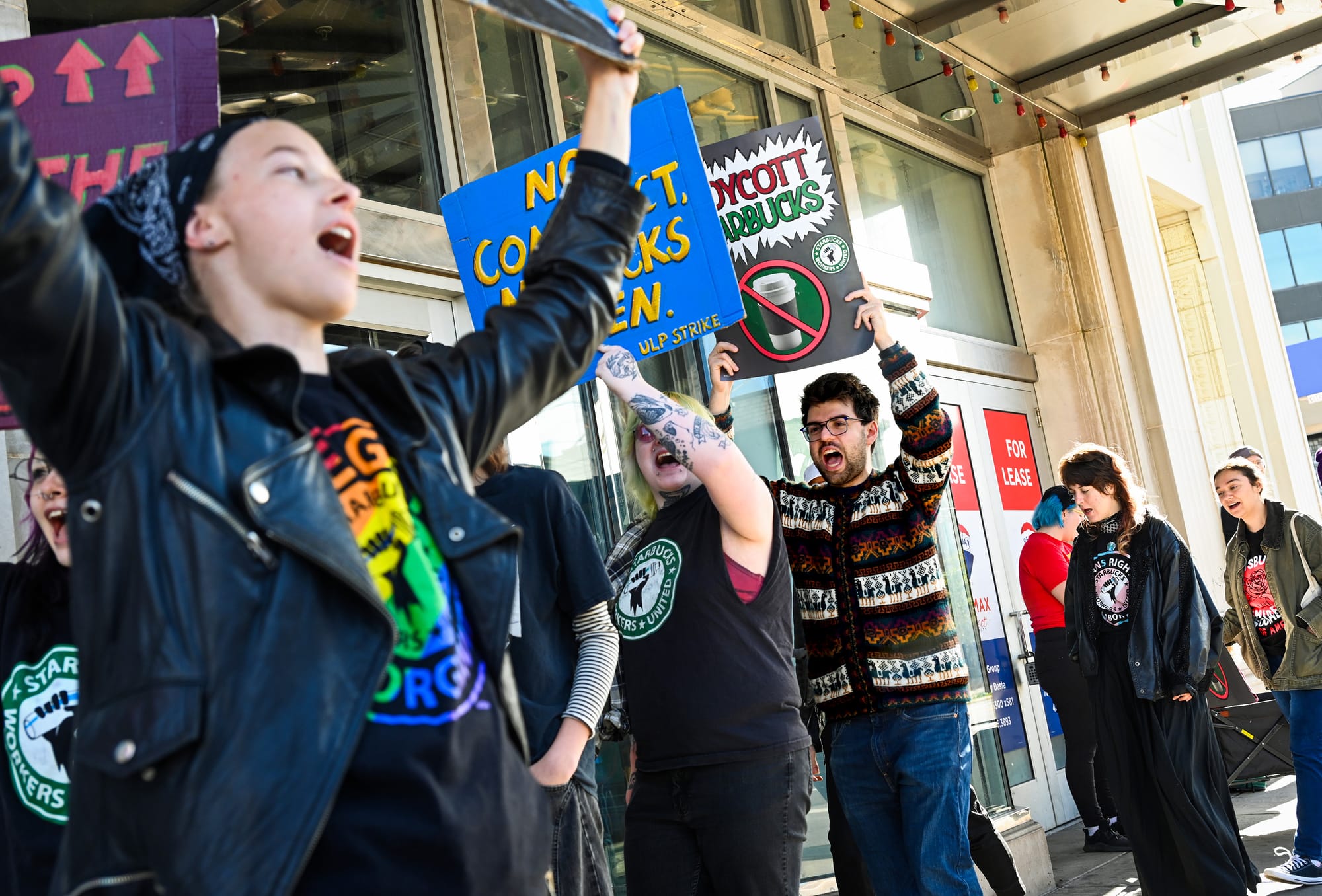
Cas Borowitz, a barista and union organizer, led chants as the group marched in a circle. Afterward, she stepped aside to express the significance of Starbucks closing a store that unionized in April 2022.
“I mean, it's like a declaration of war,” Borowitz said. “They are terrified of the power that the workers have built here in Pittsburgh.
“One of the reasons I love my workers in Pittsburgh is they're so strong and so militant and so quick to act. Bloomfield in general has been the heart of organizing in Pittsburgh. We use this store all the time for our pickets. Even if there are multiple stores out [on strike], we'll consolidate a picket here. The organizing started here, and it really exploded once Bloomfield was brave enough to organize.”
Borowitz believes this courage will prove to be contagious.
“This fight is not just about Starbucks," she said. "It's about [the fast food [industry] in general. It's about service workers in general. They're not just scared of the workers. They're scared of the workers getting a contract out of this. And then the millions of other service workers in America being, like, ‘Wait, we can do that, too?’ ”
'I know which side I'm on'
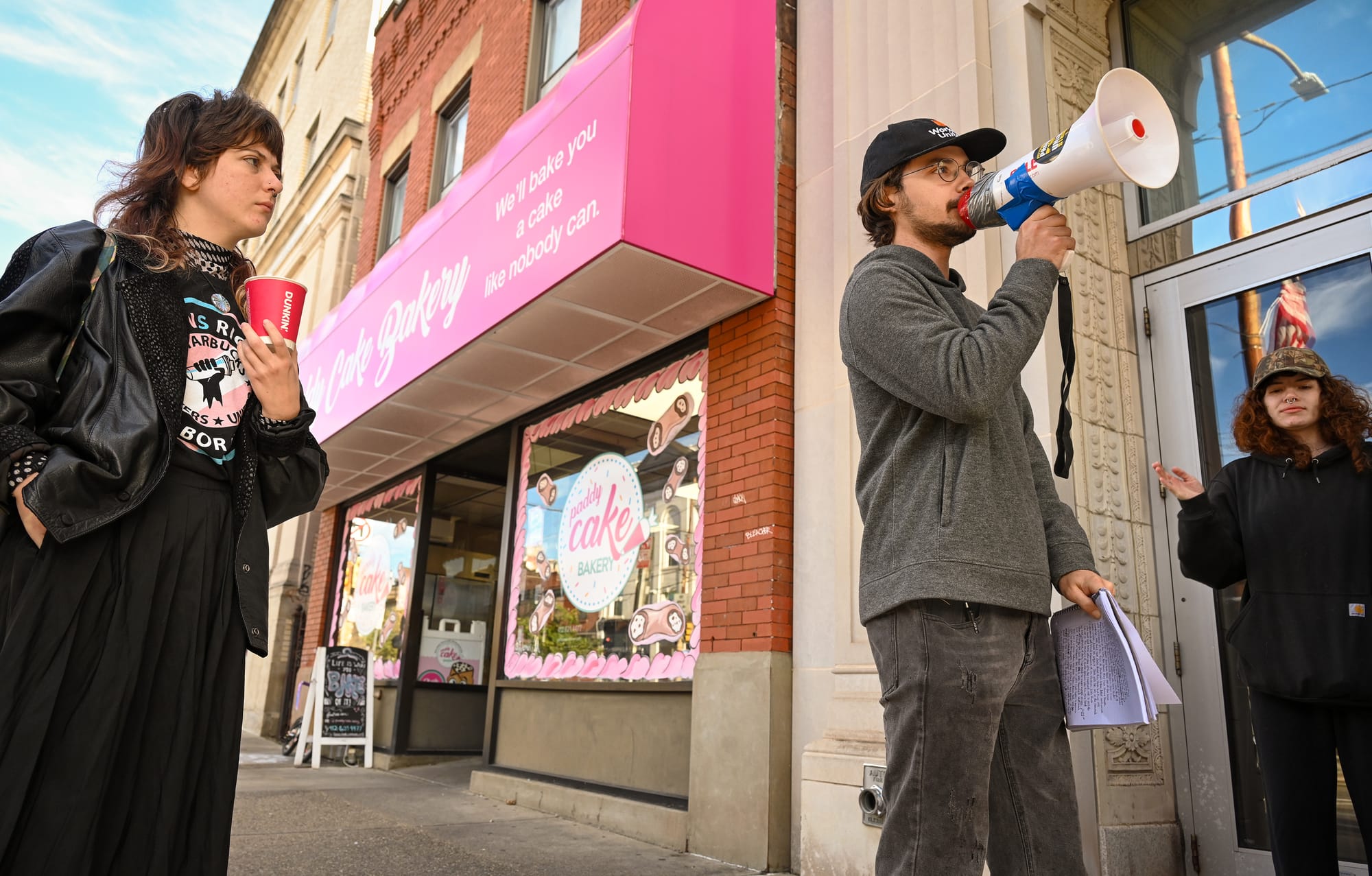
At one point, barista Alex Barnell, 24, stepped forward and, speaking into a megaphone, told the crowd he was in a panic when he heard a few months ago that Starbucks intended to close his store in East Liberty.
“I didn't know how I was going to pay my rent,” he said. “My car had just stopped working a few days prior. How was I going to pay to fix it now? I was set to get married in a few weeks. How could I afford to take time off now that I had such little time left of secure employment?”
“I was defeated,” he said. Starbucks CEO Brian Niccol “had just demonstrated with a depressing certainty what every worker knows: They have the power, and you don't have shit."
On his first day back at work after hearing the news, Barnell didn't want to fight back – something he said he was now ashamed to admit. But on the second day, something changed. He saw in his colleagues a yearning to do something. They were angry.
“We've seen what this company wants to do," he said. "They want every union barista out on the streets and the hell away from their profits. We've got two options: Organize and fight or lay down and take it. I know which side I'm on, and I damn sure know which side Bloomfield's on.”
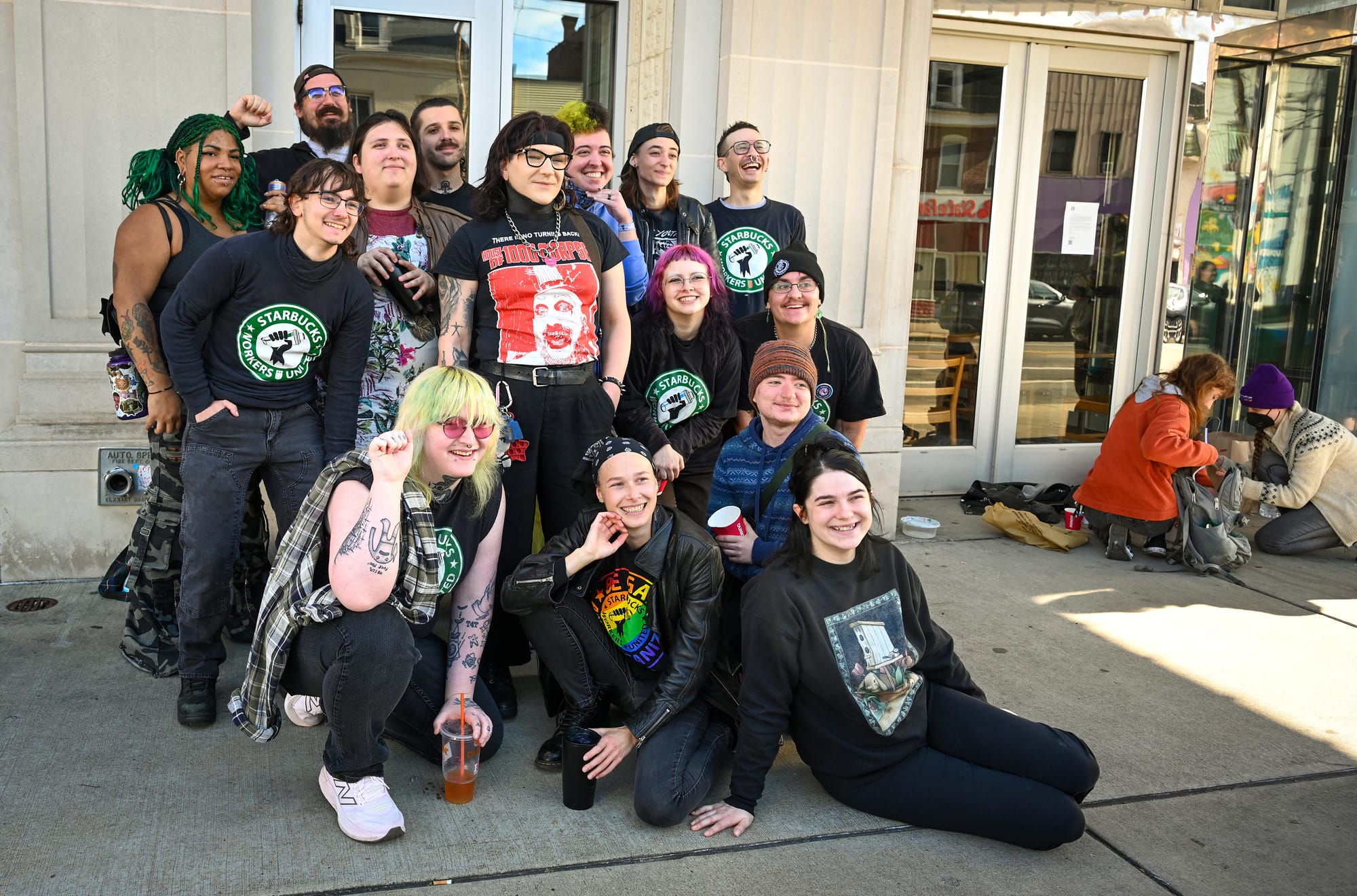
Max Holmes said he began working at the Bloomfield Starbucks store about two years ago, after ending a years-long abusive relationship. “I was so traumatized and so in debt and didn't know who I was, what I was doing, didn't know how to get back on my feet,” Holmes said. “All I knew was that I could make coffee, and I knew that Starbucks would be a place that I could at least survive, if nothing else.
“And I ended up with such a huge and strong community. … I love everyone in this store so much. It meant so much to see everyone grow, to see myself grow."
Holmes' trust in his colleagues and community gave him both strength and courage.
"This is the first place that I've ever gone by the name Max, and it felt right," Holmes said. "This is the first place I've ever used he/him pronouns exclusively, and that felt right. And with the friends that I’ve made, the connections that we've built, I feel able to take on the world. I feel like we are able to take on whatever comes, whether it's with the company or not.”